Introduction
Novorossiysk — a thriving Black Sea port with deep industrial roots and rich cultural layers — is uniquely positioned to become a regional leader in modern education. By combining visual thinking, storytelling, soft skills, and conscious learning practices, local schools, cultural institutions, and businesses can prepare young people for a rapidly changing world while strengthening community identity and economic resilience.
Why this matters for Novorossiysk
— Port city advantages: real-world contexts for logistics, engineering, environmental science, and storytelling about people and place.
— Economic transition: future skills help students adapt to automation, service economies, and creative industries.
— Social cohesion: project-based and story-driven learning builds empathy across generations and neighborhoods.
— Place-based identity: visual and narrative projects amplify Novorossiysk’s cultural memory and attract cultural tourism and creative enterprises.
Core skills & pedagogies to prioritize
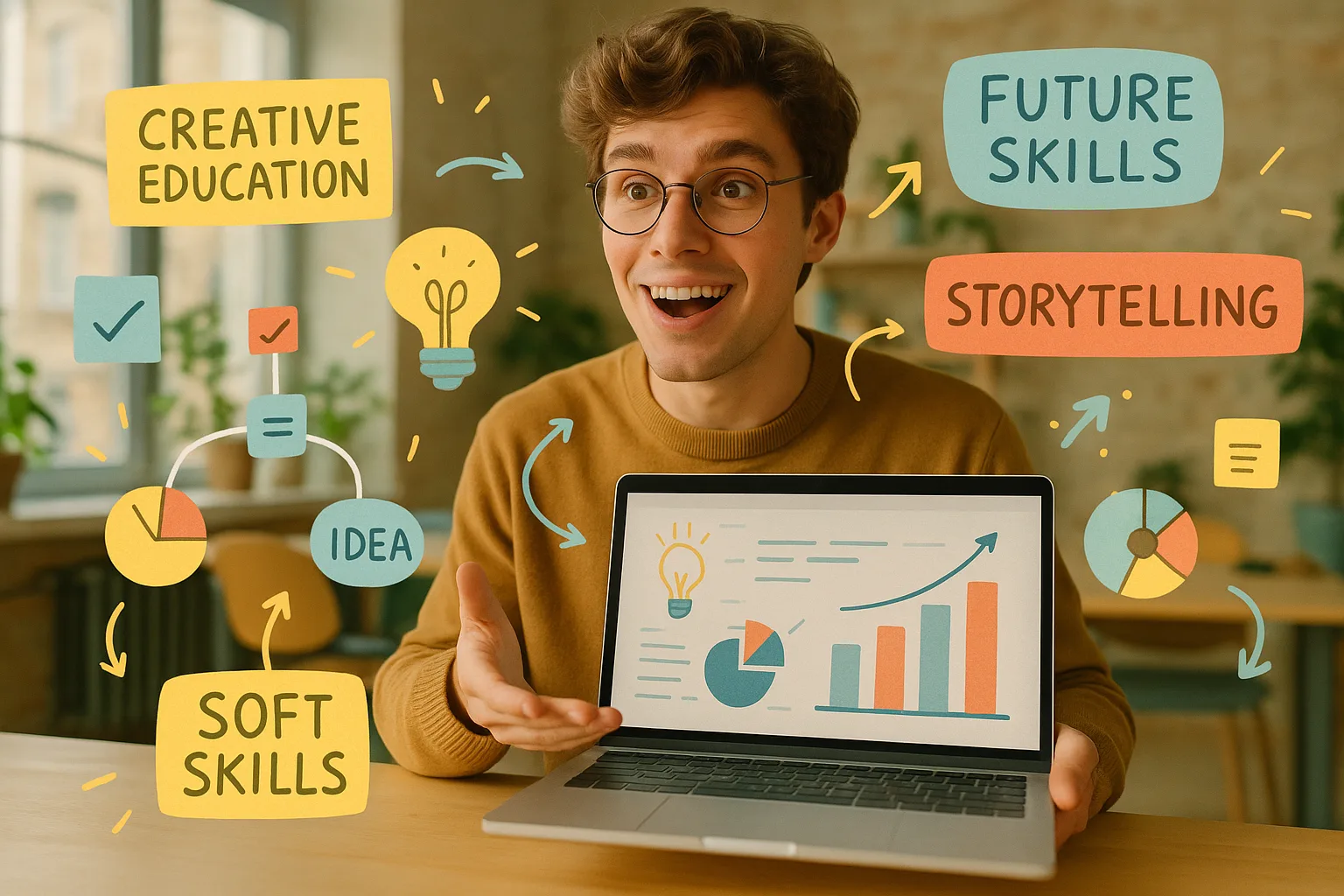
— Visual thinking — using diagrams, maps, photo essays, and sketch-notes to process and communicate complex information.
— Storytelling — crafting personal, community, and scientific narratives to develop communication and critical reflection.
— Creative problem-solving & design thinking — iterative prototyping for real local challenges (environment, transport, services).
— Soft skills — collaboration, emotional intelligence, presentation, negotiation, and resilience.
— Conscious learning — metacognition, mindfulness, goal-setting, and reflective portfolios to make learning intentional and sustainable.
— Digital fluency — media literacy, basic coding, data visualization, and respectful online communication.
Practical project ideas for Novorossiysk schools and youth centers
— Port Stories: students create multimedia oral histories of dockworkers, sailors, and local entrepreneurs; combine interviews with maps and short films.
— Black Sea Eco Lab: interdisciplinary STEAM projects monitoring water quality, marine biodiversity, and proposing community solutions; visualize data with infographics.
— City Mapping Studio: visual thinking workshops to redesign public spaces (bike routes, safe crossings, cultural trails) using paper prototypes and AR mockups.
— Logistics Simulation Challenge: teams run mock supply-chain operations for a local product, learning systems thinking, negotiation, and digital tools.
— Story-to-Startup: students turn a community story or need into a social enterprise pitch—storyboarding, UX sketches, prototype, and investor-style demo.
— Creative Port Festival: annual showcase where learners present installations, short films, design prototypes, and live storytelling on the waterfront.
How teachers and schools can start (low-cost, high-impact)
— Start small: one cross-curricular mini-project per term (e.g., a 6-week visual storytelling unit linking literature, history, and media).
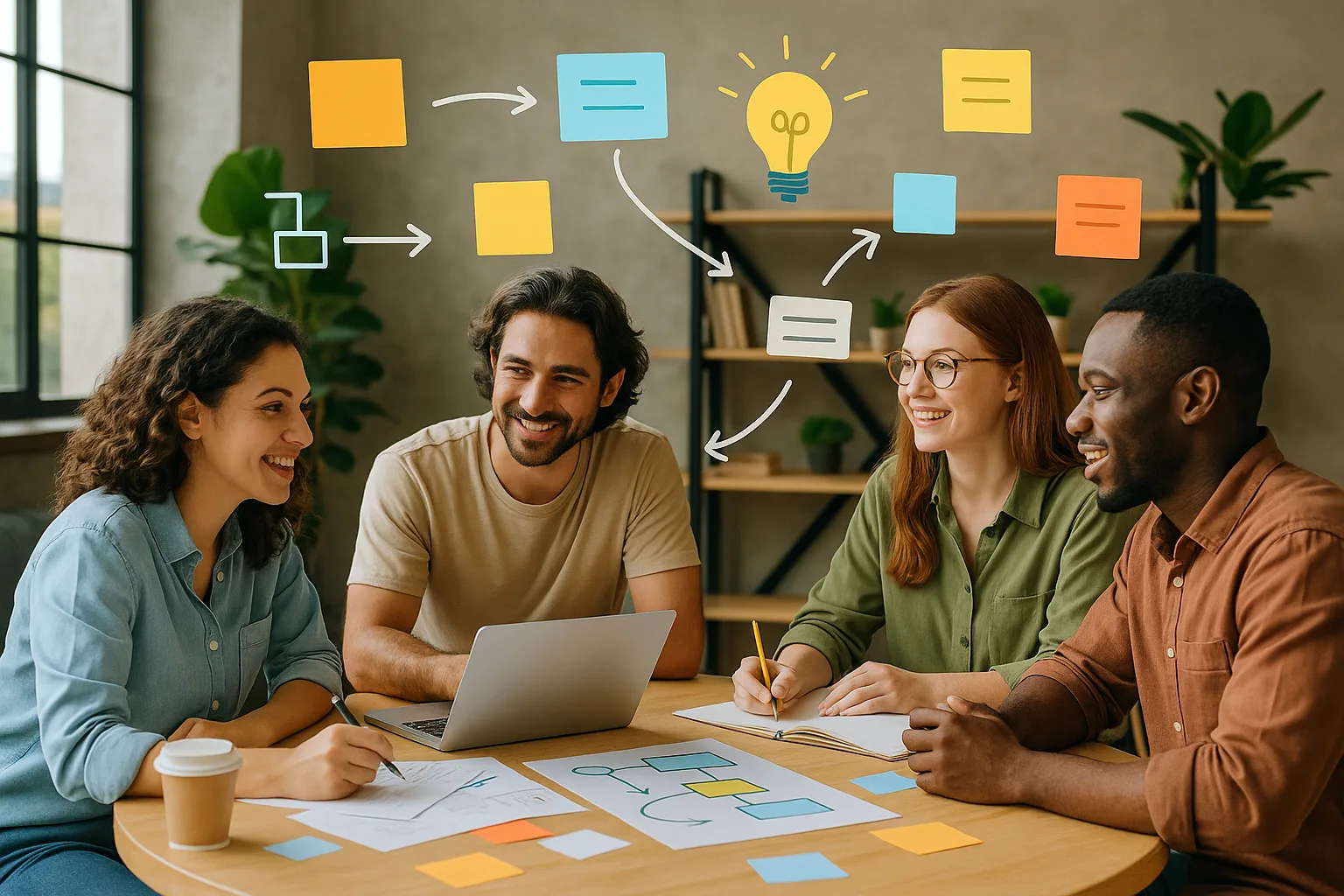
— Use simple tools: sketchbooks, smartphones for recording, free data-visualization apps, printed maps, and adhesive notes for ideation.
— Co-teach & swap: pair subject teachers (e.g., math + art) for project-based modules that blend skills.
— Reflective routines: weekly learning logs, peer feedback sessions, and short “what I learned” presentations to build conscious learning habits.
— Portfolio approach: students curate visual and narrative portfolios to track progress in soft and creative competencies.
Professional development for educators
— Micro-workshops: 2–3 hour sessions on sketch-noting, story arcs, and project-based assessment.
— Immersion days: educators spend a day at the port, museum, or environmental lab to design authentic local tasks.
— Peer labs: teachers present projects, share rubrics, and co-create lesson templates.
— Online communities: virtual meetups for exchanging student work, assessment rubrics, and local resource lists.
Partnerships & community engagement
— Port and industry: internships, project briefs, guest speakers, and logistics case studies.
— Museums, cultural centers, veterans’ organizations: access to archives, oral-history projects, and exhibition spaces.
— Local universities & technical schools: joint labs, teacher training, and research on learning outcomes.
— NGOs & environmental groups: citizen science projects and community service learning.
— Businesses & civic leaders: sponsor festivals, buy student prototypes, and offer mentoring.
Funding & resources
— Local sponsorships and in-kind support from port businesses.
— Regional education grants and cultural funds (apply with project portfolios).
— Crowdfunding community projects tied to visible public outcomes (murals, exhibitions, festivals).
— Low-cost tech: leverage smartphones, free apps, and open-source tools for prototyping and storytelling.
12-month implementation roadmap (for a neighborhood or school cluster)
— Months 1–3: Convene stakeholders; run teacher micro-workshops; select pilot projects (2–3).
— Months 4–6: Launch pilot projects; host community co-design sessions; collect student portfolios.
— Months 7–9: Midpoint festival/showcase; gather feedback and adjust rubrics; begin teacher peer labs.
— Months 10–12: Citywide celebration (e.g., Creative Port Festival); document outcomes; secure next-year funding and scale successful pilots.
Measuring impact (suggested KPIs)
— Student engagement: participation rates, portfolio completion, and project attendance.
— Skill growth: pre/post self-assessments in collaboration, communication, and creative problem-solving.
— Community reach: number of local partners, visitors to showcases/festivals, media mentions.
— Tangible outcomes: prototypes developed, internships placed, environmental data collected.
— Teacher adoption: number of teachers using project-based modules and participating in PD.
Communication & storytelling tips
— Showcase student work publicly — murals, pop-up galleries at the waterfront, short films at cultural centers.
— Tell the city’s learning story: frame projects as part of Novorossiysk’s future identity — resilient, creative, and connected to the sea.
— Use simple visual templates for reporting: one-page infographics showing outcomes for parents, sponsors, and officials.
Final note — an invitation
Novorossiysk already holds the raw materials: vivid stories, a working port, and a compact civic fabric that makes collaboration possible. By adopting visual thinking, storytelling, soft skills, and conscious learning as core pillars, the city can cultivate adaptable learners who contribute to both local wellbeing and a dynamic future economy. Start with one pilot project this term — put students at the heart, invite the port and cultural partners, and let Novorossiysk’s next chapter be written by its learners.