Introduction
Novorossiysk stands at the intersection of industry, port logistics and coastal culture. To thrive in the 21st century economy its young people need more than technical know-how — they need *future skills*: creativity, visual thinking, storytelling, collaboration and conscious learning habits. This article outlines why these competencies matter locally and how schools, businesses and communities can build them into practical programs.
Why modern and creative education matters in Novorossiysk
— Port economy and regional trade demand flexible problem-solvers who can work across teams and technologies.
— Tourism, culture and creative industries are growing; storytelling and visual thinking turn local heritage into economic opportunity.
— Automation means routine tasks will decline; soft skills and learning agility become competitive advantages.
— Local projects that combine industry knowledge with creative practice keep talent in the city rather than pushing graduates to relocate.
Core future skills to prioritise
— Creativity and design thinking — generating original solutions for local challenges.
— Visual thinking — using images, diagrams and prototypes to clarify and communicate ideas.
— Storytelling — crafting narratives that engage tourists, investors and communities.
— Collaboration and communication — cross-disciplinary teamwork and clear interpersonal exchange.
— Digital literacy and data sense — practical tech skills plus the ability to interpret data.
— Emotional intelligence and resilience — regulation, empathy and constructive feedback.
— Conscious learning — metacognition, intentional practice and lifelong learning habits.
Practical methods and classroom practices
— Project-based learning (PBL): Center curricula on real Novorossiysk problems — port logistics optimization, coastal tourism projects, museum exhibit design.
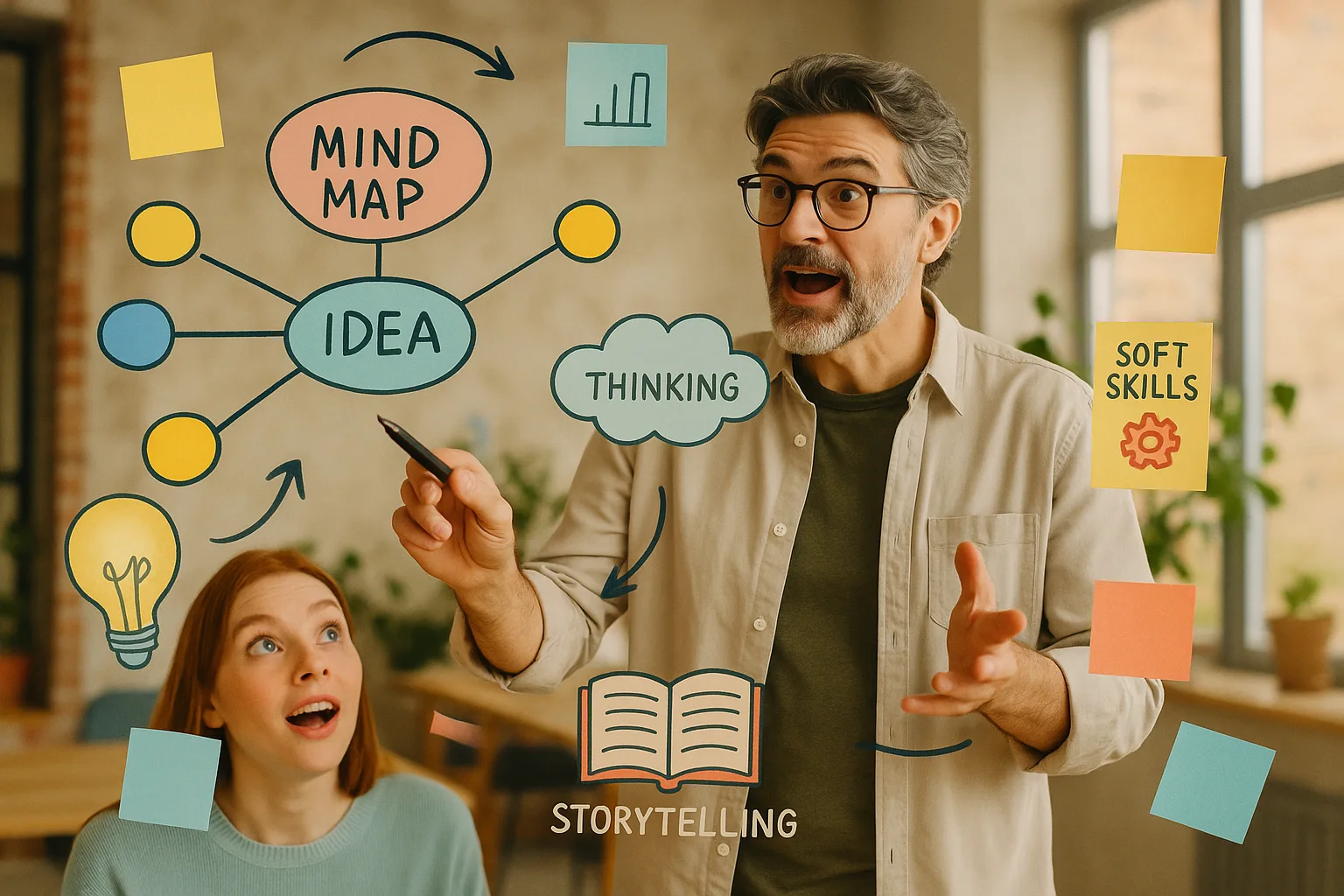
— Visual thinking routines: Teach sketching, mind-mapping and storyboard creation as tools for planning and persuasion.
— Storytelling labs: Combine local history with journalism, multimedia and performance to build narrative skills.
— Soft skills workshops: Role-play, peer coaching and feedback cycles to practise communication and teamwork.
— Cross-sector internships: Short placements in port services, tourism agencies and startups to apply classroom learning.
— Conscious learning practices: Reflection journals, goal-setting sessions and peer learning groups to cultivate metacognition.
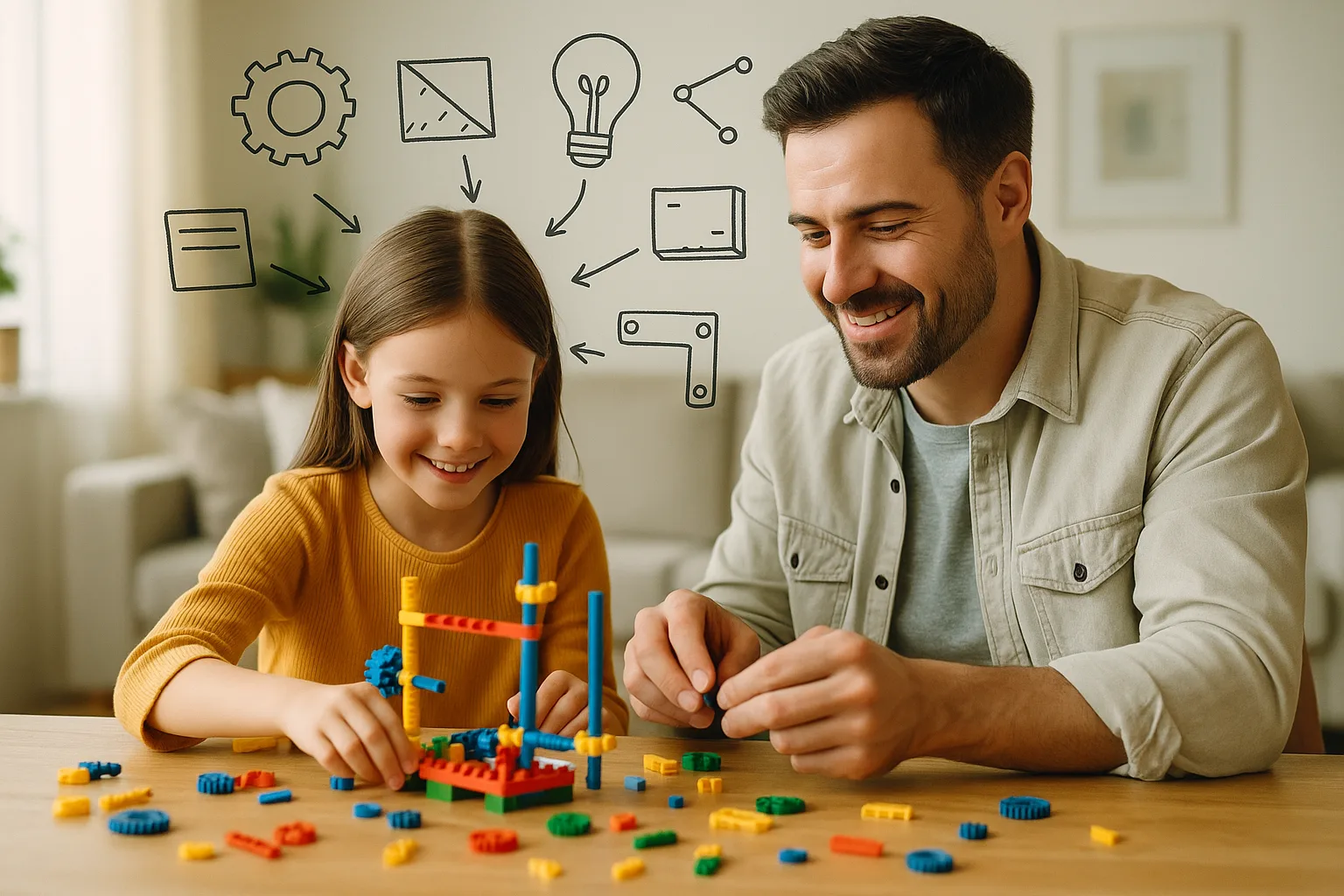
— Maker and prototyping spaces: Low-cost labs for rapid prototyping using simple materials and digital fabrication where possible.
How Novorossiysk institutions can implement change
— Schools and colleges:
— Embed multidisciplinary PBL modules in existing subjects (e.g., math + geography + art: mapping the port).
— Use assessment portfolios and public exhibitions rather than just exams.
— Offer teacher training in visual facilitation and narrative pedagogy.
— Local businesses and the port authority:
— Sponsor real-world briefs for student projects and host mentorship programs.
— Open short apprenticeships focused on process skills (coordination, client communication).
— Cultural institutions (museums, theatres):
— Co-create storytelling projects and visual tours with students.
— Host student exhibitions and community storytelling nights.
— Municipal government and NGOs:
— Fund microgrants for school-community pilot projects.
— Organise citywide challenges (e.g., “Port Futures” hackathon) that invite students to propose improvements.
Sample program ideas for Novorossiysk
— Visual Storytelling Festival: Annual event where students present photo essays, short films and interactive maps about the city’s identity.
— Port Innovation Lab: A co-created space where students prototype solutions for logistics, safety and tourism with input from port operators.
— “Local Heroes” Story Corps: Oral-history + multimedia course connecting elderly residents’ memories with youth-produced narratives used in tourism campaigns.
— Soft Skills Bootcamp for Graduates: Short intensive training in communication, negotiation and interview skills co-delivered by HR teams from local companies.
Curriculum components and classroom activities
— Weekly Visual Thinking Hour: quick sketching prompts, data visualisation tasks, and collaborative whiteboard challenges.
— Storyboarding assignments for science and social studies: translate complex concepts into narrative sequences.
— Cross-grade mentorship: older students coach younger peers on presentation and project planning.
— Portfolio assessments: students curate evidence of projects, reflections and community feedback.
Measuring impact
— Use mixed metrics: project quality, community engagement (attendance/partnerships), student self-reports on confidence and learning strategies, and post-graduation outcomes (employment, internships).
— Showcase results publicly — exhibitions and local media build momentum and attract partners.
Overcoming common barriers
— Limited resources: start small with low-cost pilots (community halls, libraries, outdoor spaces) and scale with proven results.
— Teacher readiness: invest in short targeted professional development and peer-learning networks.
— Siloed stakeholders: form a small steering group with representatives from schools, port authority, cultural institutions and youth to coordinate efforts.
Call to action
Novorossiysk can become a regional model where practical port expertise meets creative education. Schools, businesses and civic leaders should:
— Start one pilot project this year (e.g., a port-related PBL module or a visual storytelling weekend).
— Commit at least one local mentor or company partner to support student teams.
— Share outcomes publicly to build momentum and funding.
By combining visual thinking, storytelling, soft skills and conscious learning, Novorossiysk will not only prepare young people for future jobs — it will strengthen civic identity and create new local opportunities. Start small, learn fast, and scale what works.