Introduction
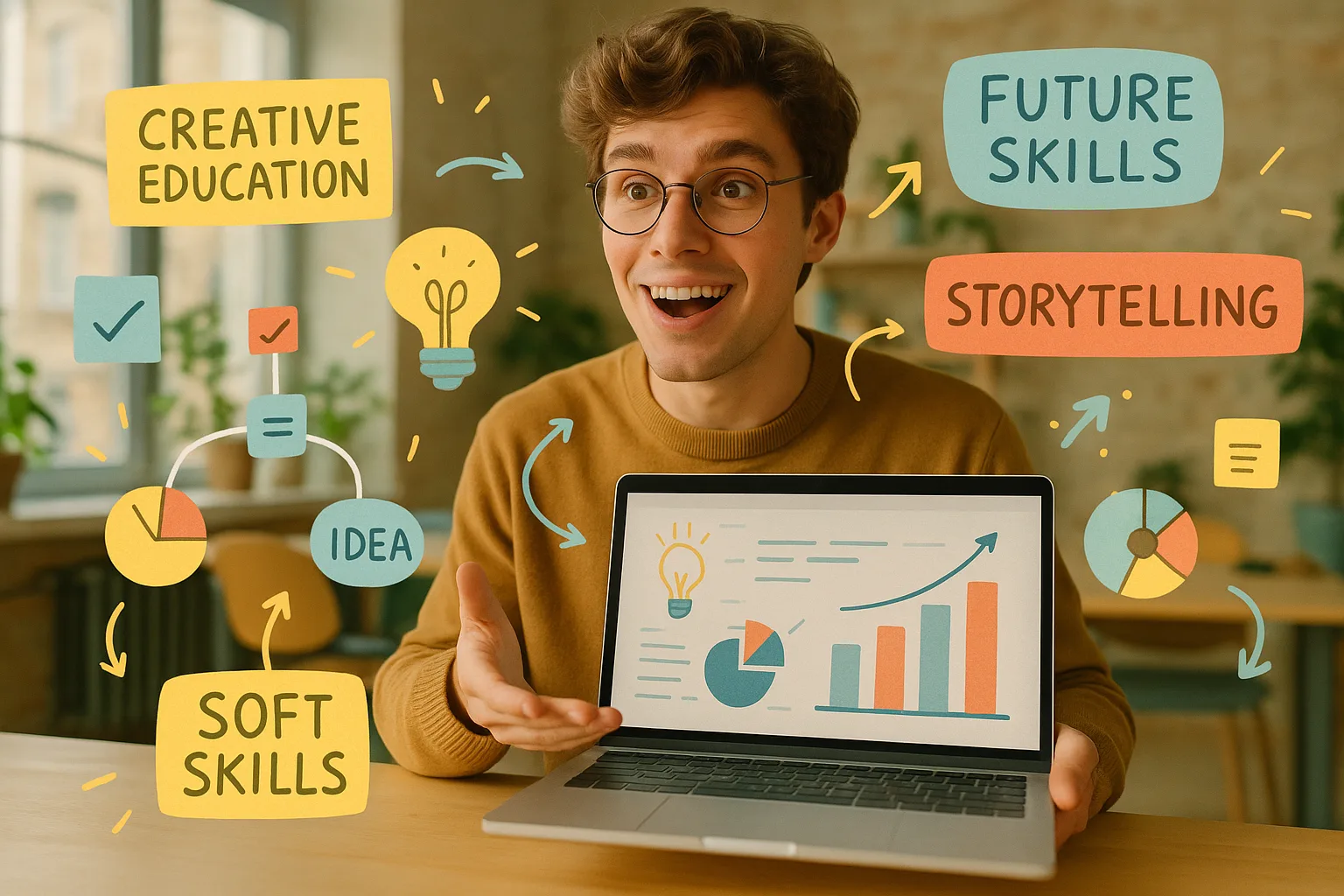
Novorossiysk stands at the crossroads of maritime trade, tourism, and community life on the Black Sea. To thrive in the coming decade, the city needs an education approach that goes beyond rote knowledge—one that cultivates future skills, visual thinking, storytelling, soft skills, and conscious learning. This article outlines a practical, local-first roadmap to transform schools, families, and workplaces into engines of creative learning and resilient citizenship.
Why this matters for Novorossiysk
— Port and tourism economy demand adaptable workers who can solve complex problems and communicate across cultures.
— Young people need *future skills*—creativity, critical thinking, digital literacy—to access opportunities beyond the city.
— Visual thinking and storytelling connect local heritage (fishing, maritime history, coastal communities) with modern careers in media, design, logistics, and entrepreneurship.
— Soft skills and conscious learning improve mental resilience in a fast-changing world and build stronger civic life.
Core components of the approach
Future skills
— Critical thinking and systems thinking
— Digital and data literacy (basics of coding, data visualization)
— Creativity, entrepreneurship, and adaptability
Visual thinking
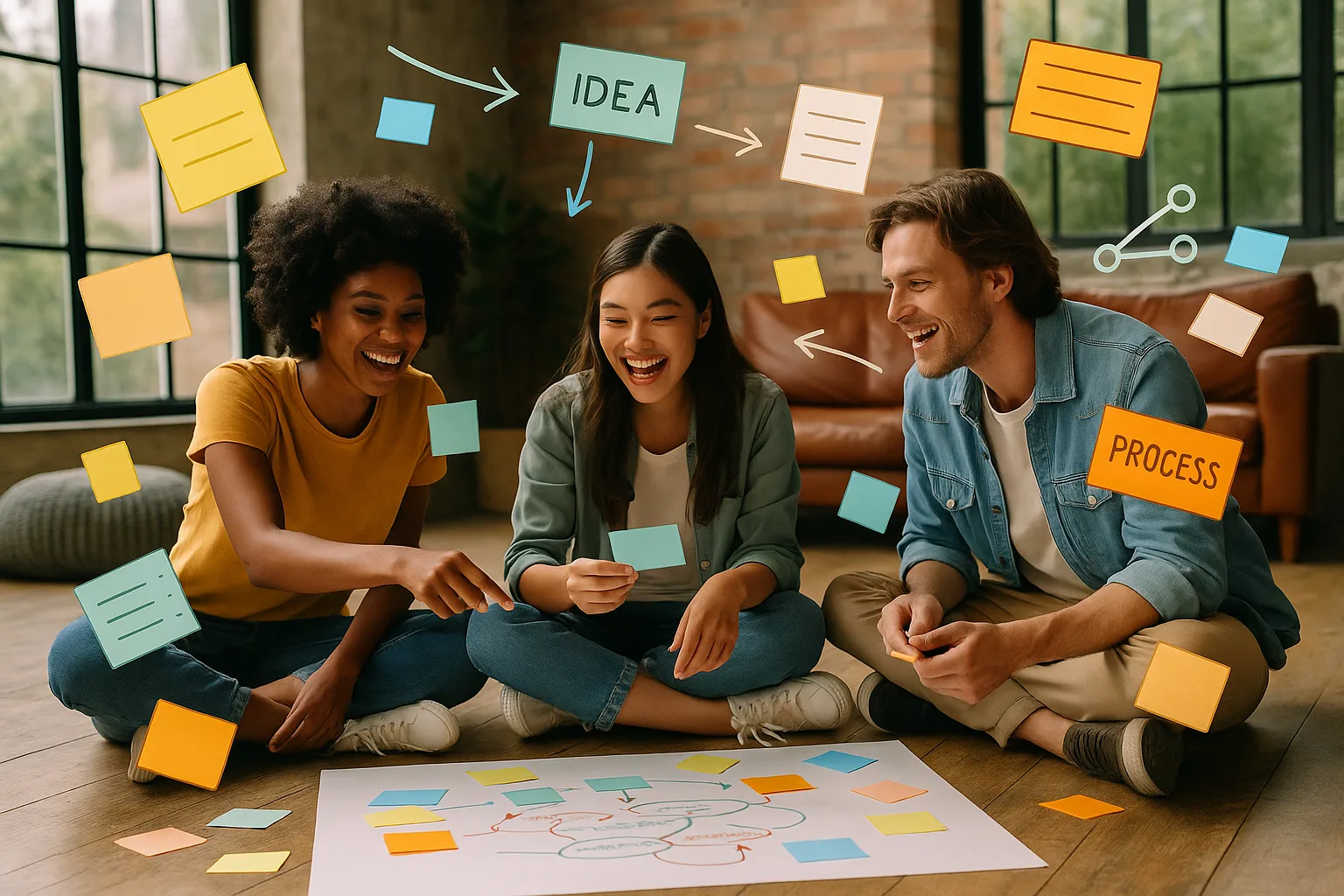
— Sketchnotes, mind maps, infographics to make complex ideas tangible
— Design thinking for rapid prototyping of local solutions (e.g., port logistics improvements, tourism experiences)
Storytelling
— Local oral histories and community narratives as learning content
— Digital storytelling (short videos, podcasts) to promote civic pride and tourism
— Story-driven project-based learning to deepen engagement
Soft skills
— Communication, collaboration, emotional intelligence, conflict resolution
— Presentation and negotiation skills for job readiness
Conscious learning
— Metacognition: teaching students to monitor and regulate their own learning
— Mindfulness and reflection practices to support focus and well-being
— Learning-to-learn frameworks to build lifelong adaptability
Practical steps for schools and educators
1. Start small with a pilot class or grade:
— Integrate a semester-long project combining local history, visual mapping, and storytelling.
2. Teacher training:
— Run short workshops on sketchnoting, design thinking, and formative assessment.
— Encourage peer coaching and lesson-study circles.
3. Curriculum redesign:
— Add interdisciplinary modules: “Black Sea Stories + Data,” “Port Design Challenge.”
— Use project-based assessment instead of only exams.
4. Learning spaces:
— Create a flexible “maker corner” with basic prototyping supplies, tablets for digital story production, and a wall for visual thinking displays.
5. Measure outcomes:
— Track student engagement, collaboration skills, and project-quality rubrics alongside traditional grades.
Programs for parents and students
— Weekend visual storytelling clubs: family projects documenting neighborhoods or fishing traditions.
— Summer camps: design sprints focused on tourism micro-projects (map a walking tour, create audio guides).
— Career-shadowing with local businesses: port operators, tourism agencies, startups—pair students with mentors.
How businesses and the city can support
— Adopt-a-classroom: companies sponsor materials, mentor projects, host field visits to the port and logistic centers.
— Public challenges: city-run hackathons to solve real problems (waste on the coast, tourist wayfinding).
— Micro-grants for youth-led ventures that combine local culture with digital products (apps, guided tours, short films).
Project ideas tied to Novorossiysk’s strengths
— “Port Stories” digital archive: students collect worker interviews, create infographics about trade flows, and produce a public exhibition.
— Coastal design studio: map erosion and propose small, community-led environmental interventions using visual thinking tools.
— Black Sea StoryFest: short films and podcasts by teens that showcase food, craft, and maritime life—marketed to visitors.
Tools and resources (low-cost)
— Visual thinking: paper, colored markers, sticky notes, Miro/Canva for digital visuals
— Storytelling: smartphones, free audio editors (Audacity), video editors (CapCut)
— Learning platforms: Coursera/edX micro-courses for teacher upskilling; local libraries as learning hubs
— Assessment: rubrics for collaboration, reflection journals, student self-assessments
Evaluation and scaling
— Pilot metrics: participation rates, portfolio quality, teacher feedback, local partner engagement
— After 1 year: publish a public showcase and impact brief to attract funding
— Scale: replicate successful pilots across schools, create a citywide “Creative Learning Network” for sharing best practices
Quick checklist to launch a pilot in 3 months
— Month 1: Form team (2 teachers + 1 community partner), choose class and project theme
— Month 2: Teacher training (1–2 workshops), gather materials, plan assessment
— Month 3: Run project, host a public showcase, collect feedback and adjust
Final note
Transforming education in Novorossiysk is both practical and powerful: by combining visual thinking, storytelling, soft skills, and conscious learning, the city can prepare young people for meaningful work, civic participation, and lifelong creativity. Start with one classroom, one community partner, and a clear project—and let local stories shape a future-ready curriculum.
For help designing a pilot project or a teacher workshop plan tailored to a specific school or neighborhood in Novorossiysk, I can draft a one-page project outline and a sample week-by-week lesson plan. Would you like that?