Why Novorossiysk needs a creative, future-ready education
Novorossiysk is a dynamic Black Sea port city — a hub of logistics, industry, naval activity and growing tourism. To help local children and young adults thrive in changing job markets, our schools and community must move beyond rote knowledge and cultivate *future skills*: creative problem solving, visual thinking, communication through storytelling, emotional intelligence and conscious learning habits.
These are not extras. They are the capabilities that turn local potential into sustainable careers, civic engagement and entrepreneurial growth.
Core principles
— *Learner-centered*: students design real projects tied to the city’s economy and culture.
— *Multimodal*: combine visual thinking, oral and written storytelling, hands-on making.
— *Soft-skills-first*: collaboration, empathy, adaptability and self-regulation embedded into content.
— *Conscious learning*: reflection, metacognition and wellbeing practices that make learning intentional.
— *Community-linked*: partnerships with port operators, small businesses, cultural institutions and universities.
Concrete programs for Novorossiysk schools and centers
1. Visual Thinking Labs
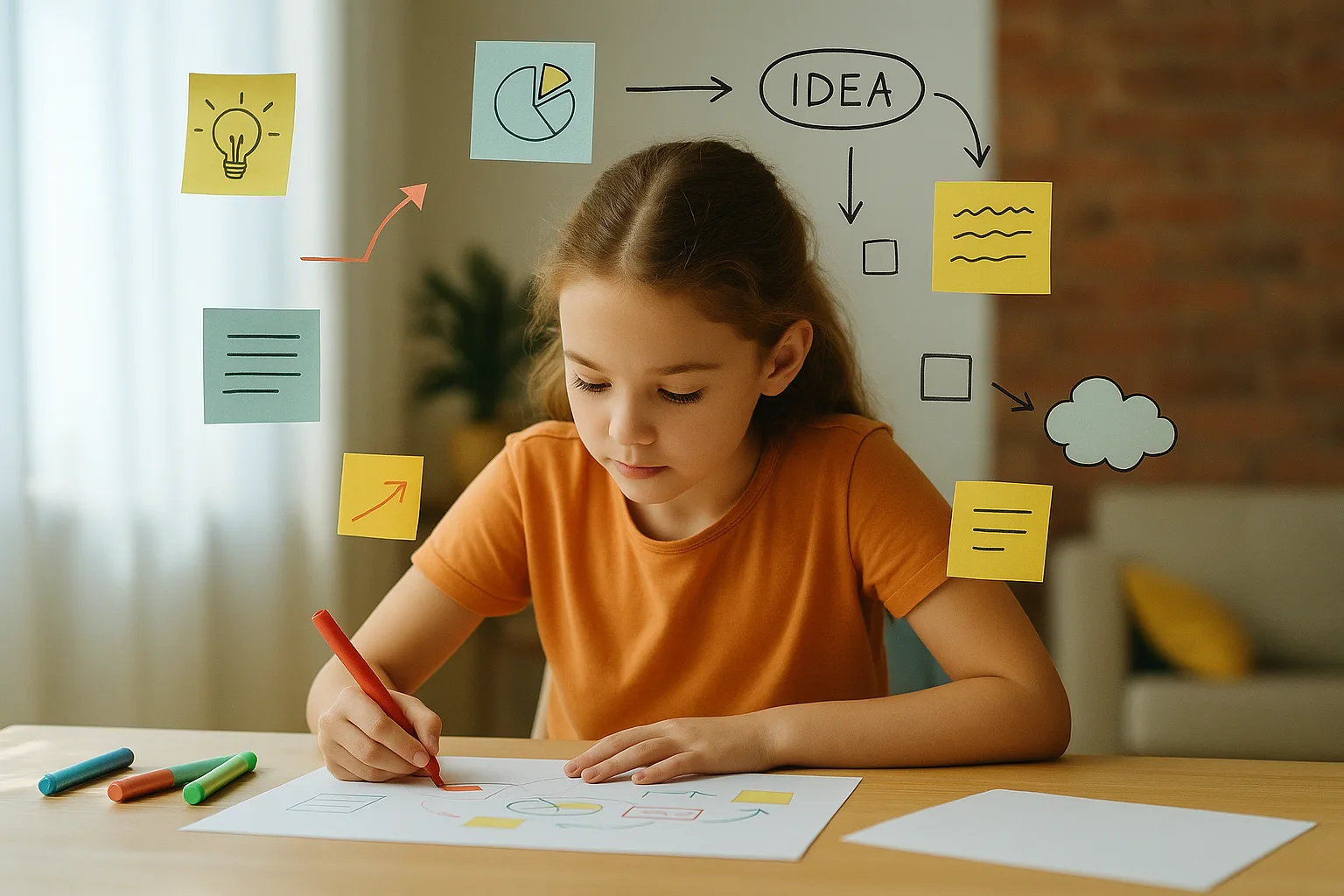
— Weekly sessions teaching sketchnoting, storyboarding, data visualization and map-based reasoning.
— Outcomes: clearer note-taking, stronger idea organization, improved presentations.
2. Port Storytelling Project
— Students research a local port story (history, logistics, worker profiles) then create multimedia narratives: podcasts, short films, photo essays and interactive maps.
— Outcomes: civic literacy, communication skills, digital media fluency.
3. Soft-Skills Bootcamps
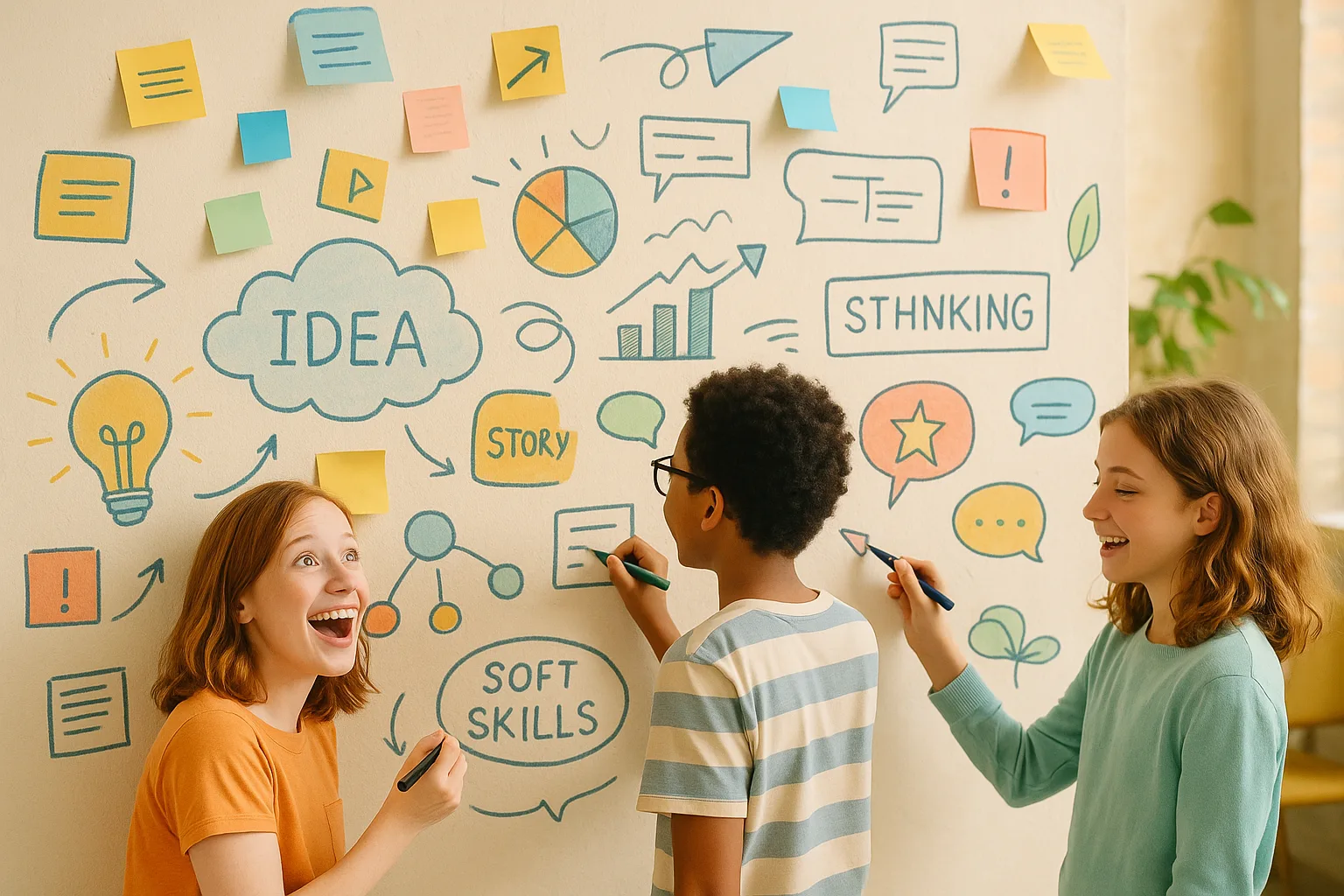
— Short, intense modules focused on teamwork, conflict resolution, negotiation and public speaking using role-play and design sprints.
— Outcomes: employability, leadership, interpersonal resilience.
4. Maker and Design Thinking Hubs
— Cross-age makerspaces that use local challenges (sustainable fishing, cargo efficiency, tourism experiences) as prompts for prototypes.
— Outcomes: iterative problem solving, technical fluency, entrepreneurship.
5. Conscious Learning Circles
— Daily or weekly practices: goal-setting, mindfulness, reflection journals and peer coaching.
— Outcomes: improved focus, growth mindset, reduced stress and better academic persistence.
Sample project: «From Dock to Market»
A 6-week, interdisciplinary school project linking logistics, entrepreneurship and storytelling.
— Week 1: Field trip to the port; students collect images and interviews. (Visual thinking: sketchnotes)
— Week 2: Map stakeholders and logistics flow. (Systems thinking)
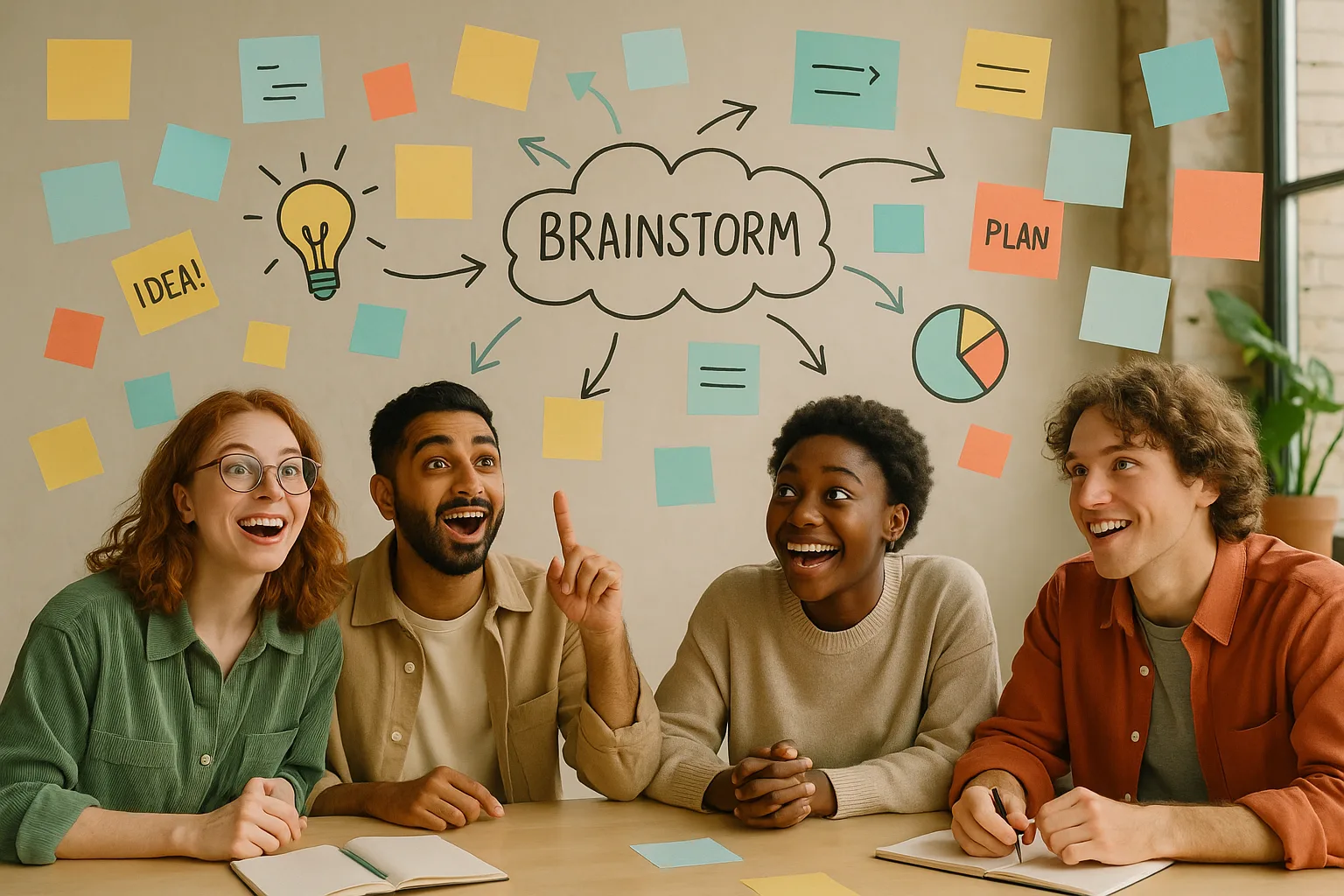
— Week 3: Ideation sprint — design a value-added local product or service.
— Week 4: Prototype and test with peers/local vendors.
— Week 5: Create a storytelling package (30-second video + one-page infographic).
— Week 6: Public showcase at a community space; feedback from port operators and entrepreneurs.
Skills practiced: research, design, public speaking, collaboration, digital storytelling, reflective learning.
Teacher development and support
— Micro-courses on visual facilitation, narrative pedagogy and trauma-informed classroom practices.
— Peer-coaching pods and classroom co-planning time.
— Lesson banks with ready-to-adapt projects tied to local contexts.
— Assessment training: creating portfolios, rubrics for collaboration and reflective learning.
Assessment and impact measurement
Move beyond test scores:
— Portfolios of student work (visual artifacts, recorded presentations, prototypes).
— Rubrics for collaboration, creativity and reflection.
— Community feedback (local employers, partners).
— Student self-assessments on confidence, focus and goal attainment.
Partnerships and funding opportunities
— Leverage local stakeholders: port authorities, maritime companies, tourism boards, cultural centers and universities for mentorships, site visits and sponsorship.
— Apply for regional and national educational grants; pilot programs can start small in 1–2 schools and scale.
— Invite NGOs and international cultural programs for exchanges and digital resources.
Tips for rapid wins
— Start with one teacher and one class: run a 4-week visual-storytelling module tied to a local topic.
— Host a community showcase to make outcomes visible and attract partners.
— Use low-cost tools: paper, pens, smartphones for recording and simple editing apps.
— Build a simple rubric focused on curiosity, collaboration and clarity of expression.
Long-term vision for Novorossiysk
Imagine graduates who:
— Tell compelling stories about their city and its industries.
— Prototype solutions to local problems and launch small ventures.
— Communicate clearly to international partners and tourists.
— Navigate change with emotional intelligence and conscious learning habits.
Creating this shift will make Novorossiysk more competitive, resilient and creative — a port city that not only moves goods but also cultivates human capital for the future.
Call to action
Educators, administrators, business leaders and parents: pick one pilot idea from this article, commit a classroom or community space for one semester, and invite one local partner. Share outcomes publicly: exhibitions, short films or a simple website. Small, visible successes will build momentum toward a modern, creative education system rooted in Novorossiysk’s identity and future needs.
Embrace visual thinking, storytelling, soft skills and conscious learning — and help build a city where young people are ready for whatever comes next.