Why Novorossiysk needs a modern approach to education
Novorossiysk — a dynamic Black Sea port city with growing logistics, maritime, and creative economies — stands at a crossroads. Traditional classroom models no longer prepare young people for jobs that require adaptability, collaboration, and imagination. To thrive locally and globally, schools and communities must cultivate *future skills*: visual thinking, storytelling, soft skills, and conscious learning.
What we mean by «future skills»
These capabilities are less about memorizing facts and more about how students think, connect, and act:
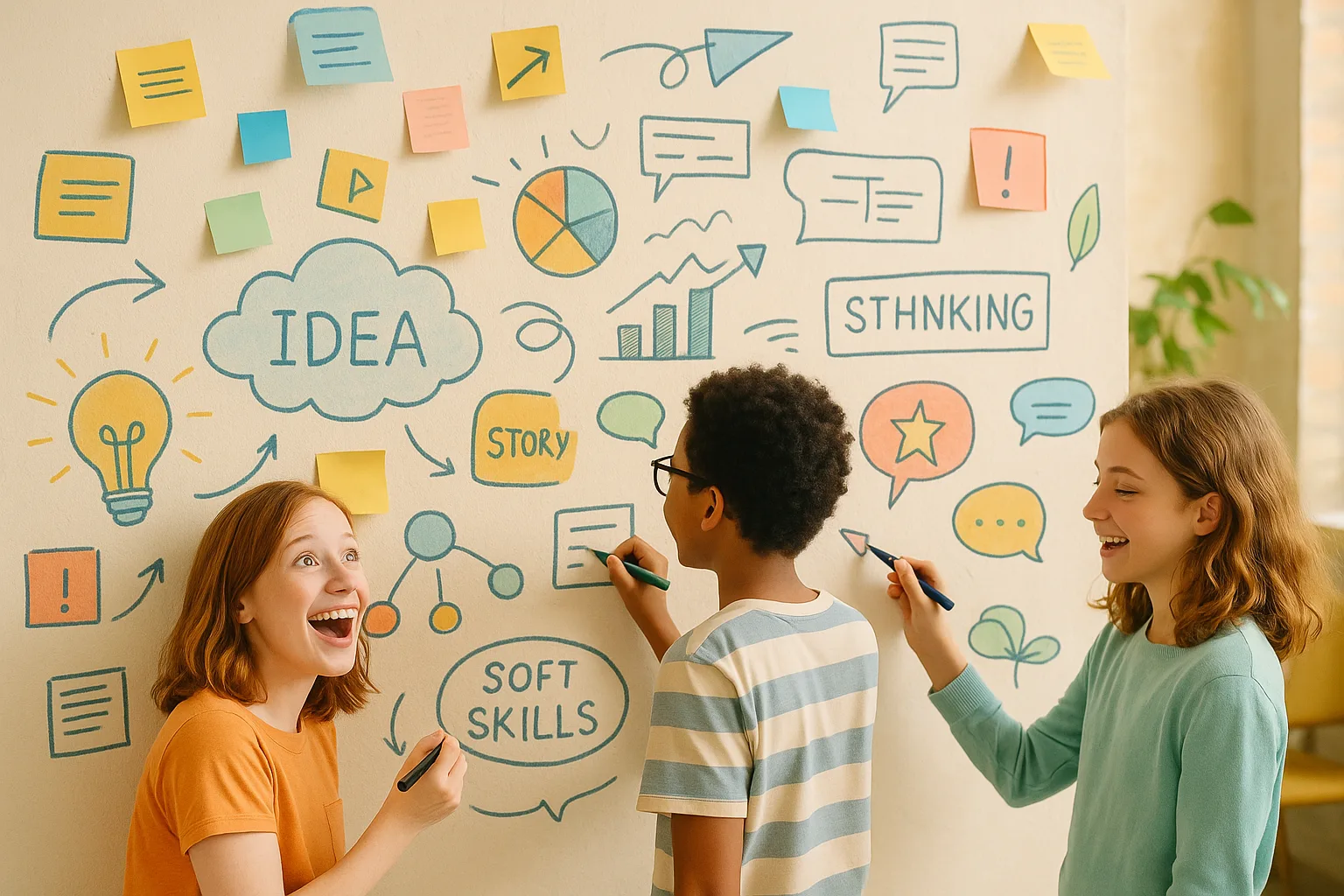
— *Visual thinking*: turning data and ideas into images, maps, prototypes.
— *Storytelling*: shaping meaning, persuading, and building empathy through narrative.
— *Soft skills*: communication, teamwork, resilience, critical thinking.
— *Conscious learning*: metacognition, mindfulness, purposeful reflection and lifelong learning habits.
How these skills fit Novorossiysk
— Port economy: problem-solving and systems thinking for logistics, supply chains, and local startups.
— Culture and place: using the city’s history and seafront landscapes as storytelling laboratories.
— Community needs: equipping youth with communication and teamwork skills for service, entrepreneurship, and civic engagement.
Practical classroom and community activities
Visual thinking
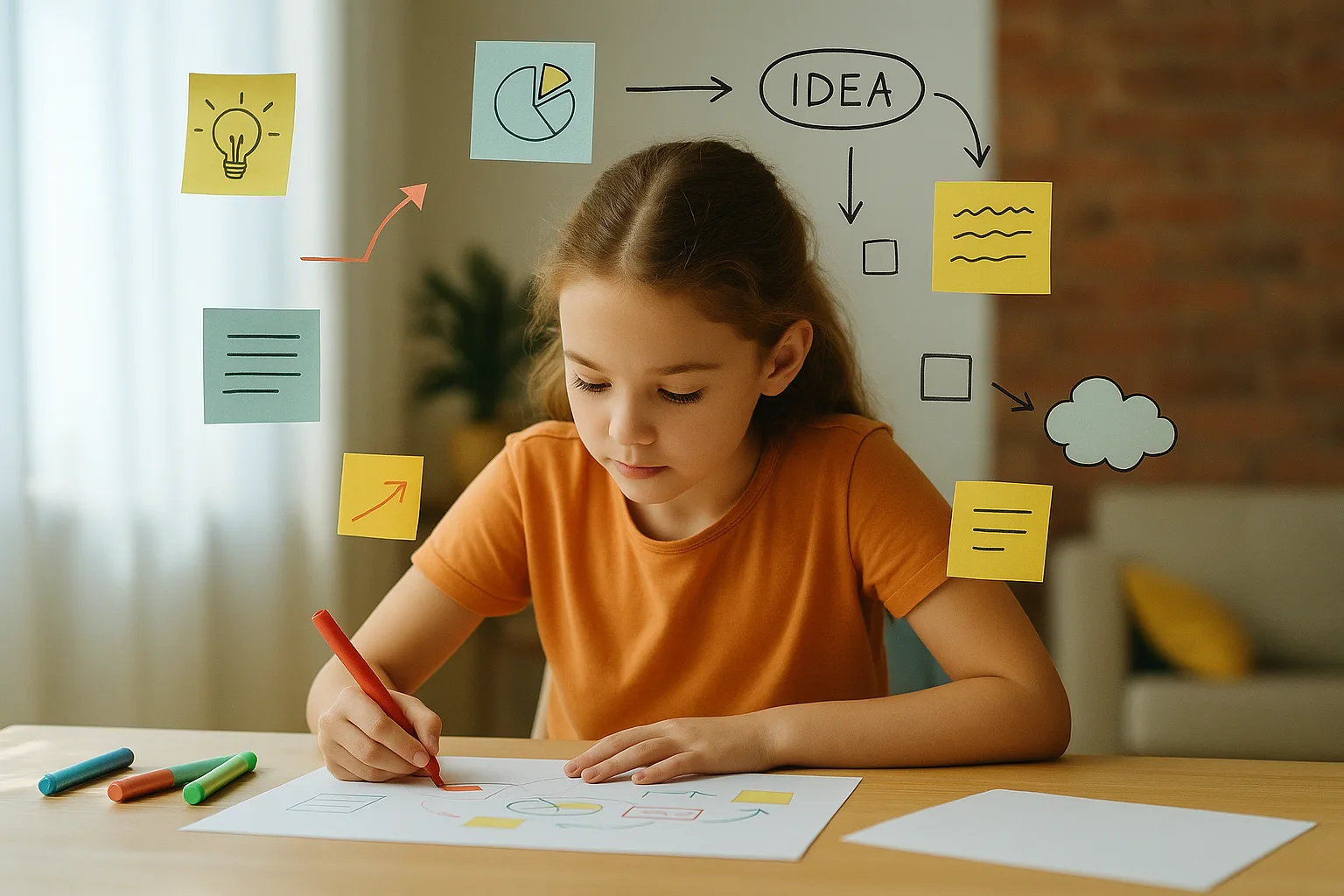
— Sketch-noting lessons: students illustrate key concepts from math, history, or science.
— Mapping local systems: create visual maps of port logistics, ecosystems, or municipal services.
— Prototype days: low-fidelity model building (cardboard, paper, simple digital tools).
Storytelling
— Local oral-history projects: students interview elders about Novorossiysk’s past and craft multimedia stories.
— Pitch labs: teams create and present 90-second project stories to peers and local partners.
— Narrative science: translate complex topics (e.g., climate impact) into story-driven presentations.
Soft skills
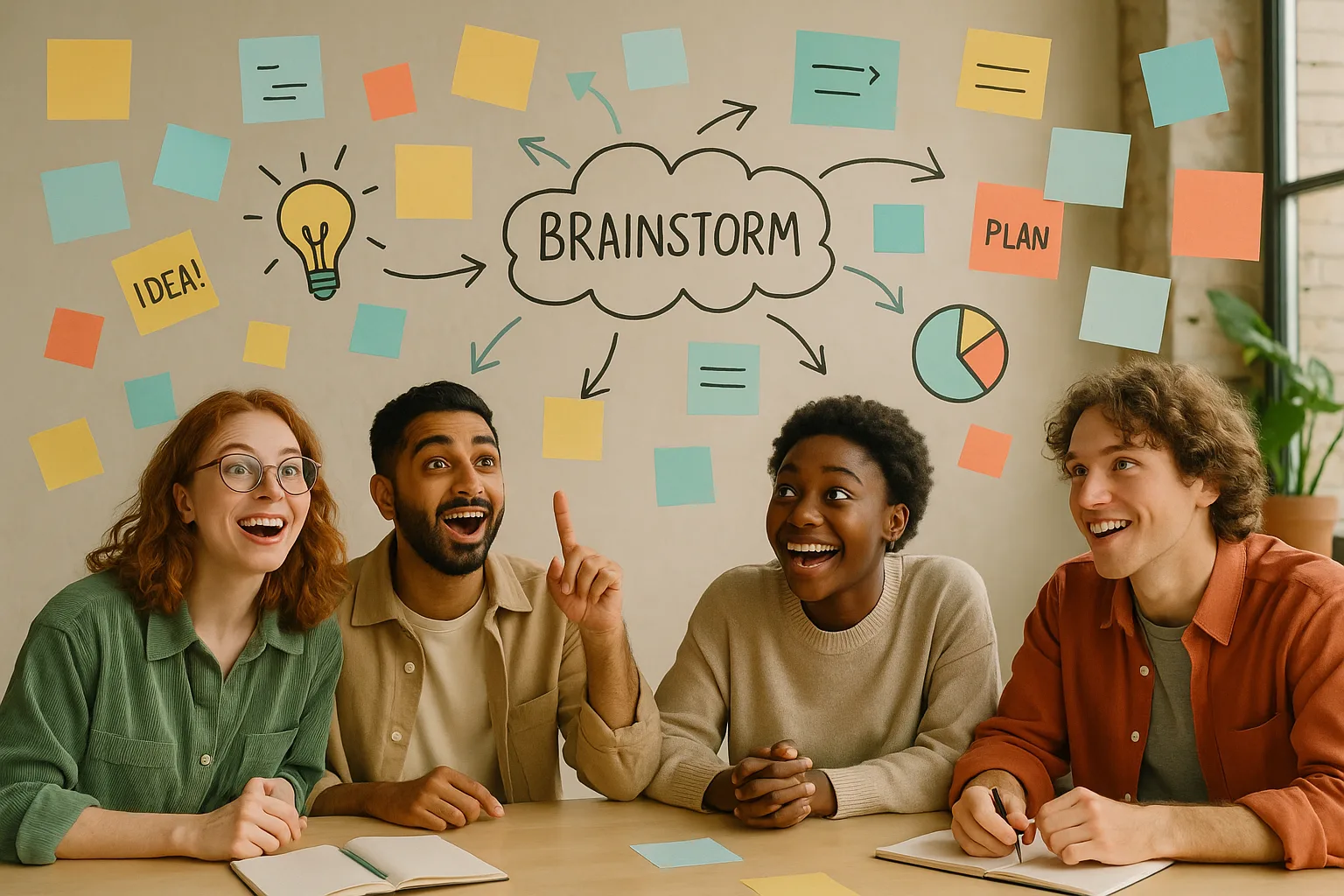
— Collaborative projects with rotating roles (leader, researcher, communicator, designer).
— Conflict-resolution mini-sessions integrated into project work.
— Public-facing presentations: exhibitions at community centers or the port museum.
Conscious learning
— Weekly reflection journals: goal setting, challenges, strategies that worked.
— Mindfulness micro-practices to improve focus before intensive work sessions.
— Metacognitive checklists: teach students to assess their own learning strategies.
A pilot program model for Novorossiysk (12 weeks)
Weeks 1–2: Foundations
— Orientation, baseline skills assessment, team formation, introduction to visual thinking.
Weeks 3–5: Deep skills labs
— Visual mapping and rapid prototyping; storytelling workshops with local historians/artists.
Weeks 6–8: Community projects
— Student teams partner with a port business, museum, or NGO to solve a small real problem.
Weeks 9–10: Refinement
— Iteration, feedback sessions, soft-skill coaching (presentation, negotiation, teamwork).
Week 11: Public showcase
— Exhibition at a community venue; invite parents, local businesses, municipality.
Week 12: Reflection and sustainability
— Measure outcomes, gather feedback, plan next cycle and teacher development.
Partnerships and resources (local-first)
— Schools + Novorossiysk Maritime College: internships, real-world briefs.
— Port companies: project sponsors, guest mentors.
— City cultural centers and museums: storytelling archives and exhibition spaces.
— Local universities, NGOs, and online platforms for teacher training and toolkits.
Measuring success — simple KPIs
— Student engagement: attendance and project completion rates.
— Skill outcomes: pre/post assessments for collaboration, storytelling, and visual tasks.
— Community impact: number of local partners engaged and solved micro-problems.
— Teacher adoption: number of teachers trained and using the methods next term.
Quick-start checklist for educators and leaders
— Run a one-day teacher workshop on visual thinking and project-based learning.
— Launch a 6-week extracurricular “Story Lab” using local history as content.
— Convert one classroom into a flexible maker space with low-cost materials.
— Invite one port or cultural partner to present a real-world brief to students.
Funding ideas
— Municipal education innovation funds or cultural grants.
— Sponsorships from port businesses and logistics firms.
— Crowdfunding community showcases and exhibitions.
Final thought
By weaving visual thinking, storytelling, soft skills, and conscious learning into education, Novorossiysk can grow a generation that is creative, resilient, and ready for the future — students who can design solutions for their city, tell its stories, and lead change with both head and heart.
If you want, I can draft a sample one-day teacher workshop agenda, a student project brief tied to the port, or a checklist for converting a classroom into a maker space. Which would be most useful?