Introduction
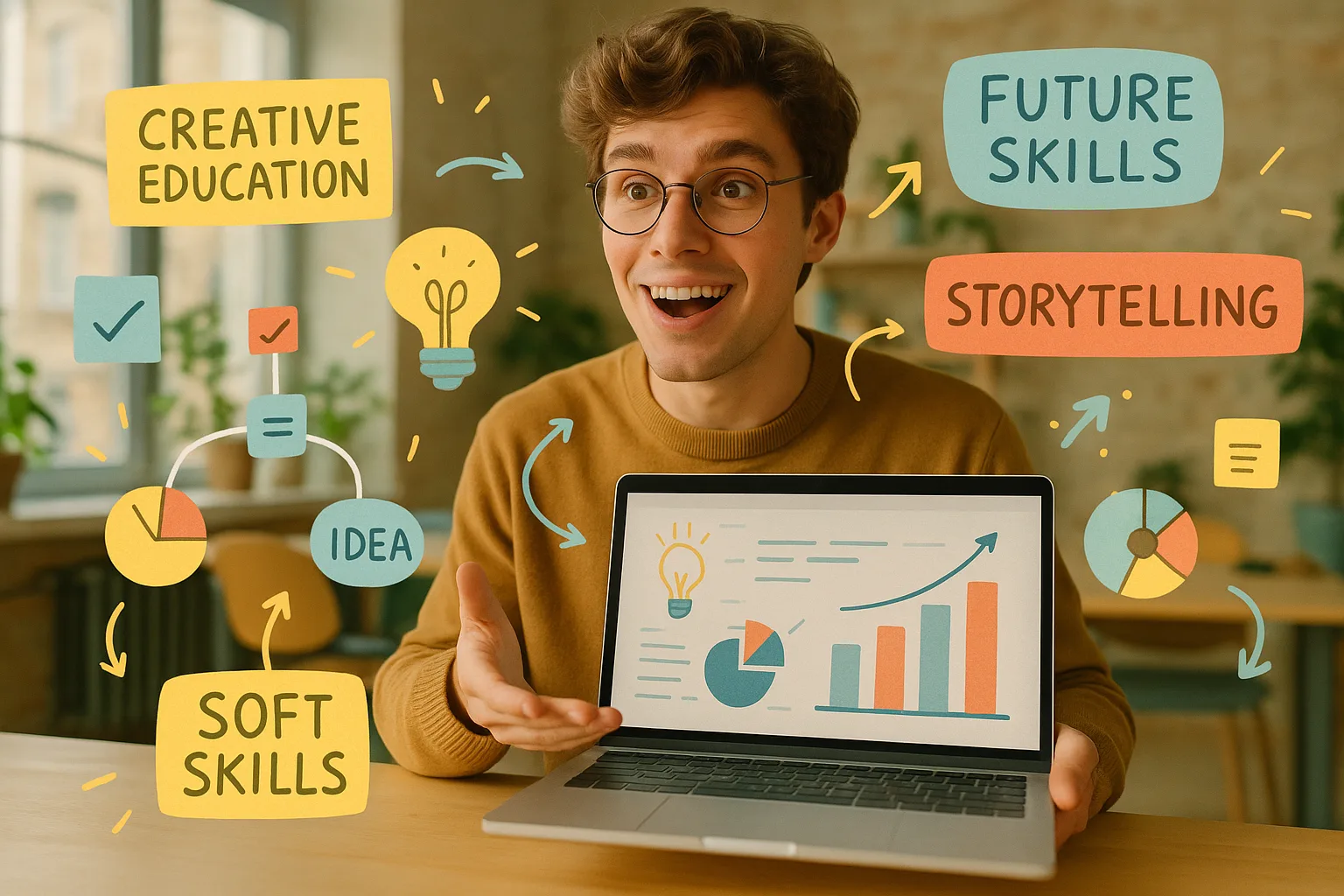
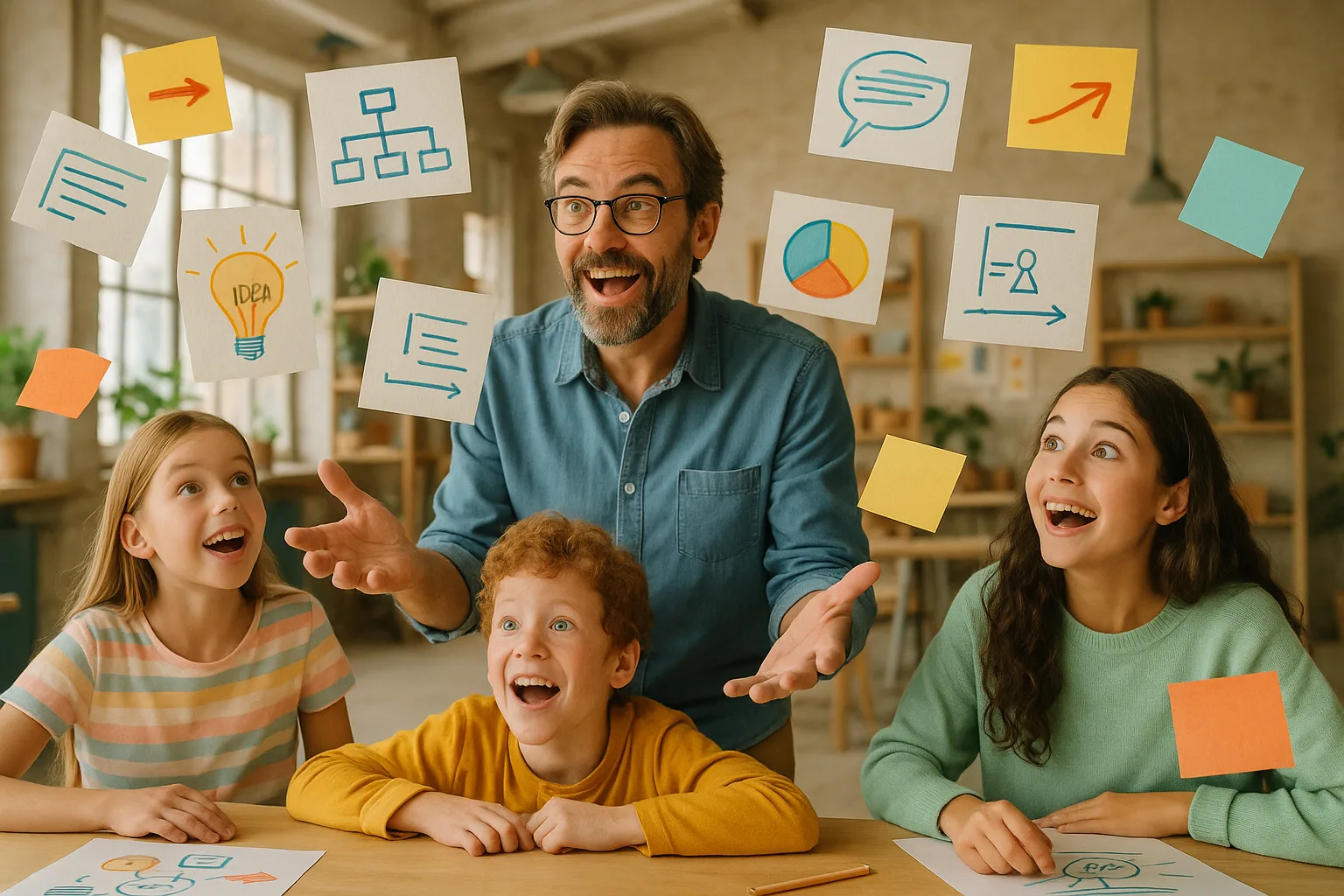
Novorossiysk stands at the crossroads of history, sea trade and growing civic energy. To equip its young people for the changing world, education must move beyond rote learning into *creative, conscious* practices that teach future skills: visual thinking, storytelling, emotional intelligence and adaptive soft skills. This article outlines practical approaches for schools, teachers, parents, community organizations and businesses in Novorossiysk to build a modern learning ecosystem.
Why shift to creative, future-focused education?
— The local economy is diversifying: port logistics, tourism, small business and services all need adaptable problem-solvers.
— Creative and social skills increase employability: communication, collaboration and narrative competence are demanded across sectors.
— Visual thinking and storytelling help learners synthesize complex information and communicate ideas clearly—key in a port city with international connections.
— Conscious learning (metacognition, reflection, growth mindset) sustains lifelong learning and well-being.
Core competencies to cultivate
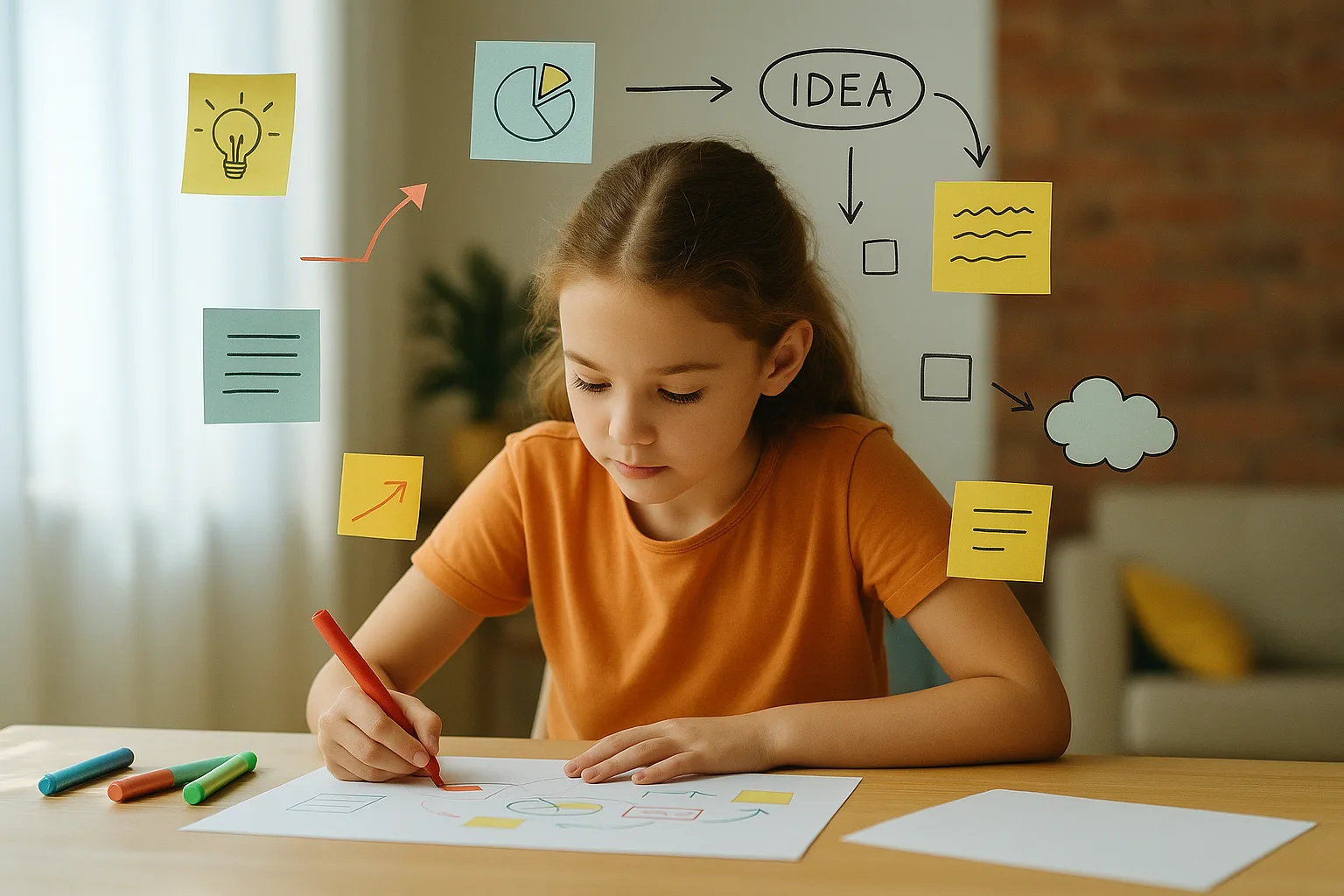
— Visual thinking: sketch-noting, mind maps, visual models to process complex systems (e.g., supply chains, environmental cycles).
— Storytelling: structuring narratives, persuasive communication, personal and place-based stories (Novorossiysk heritage, sea culture).
— Soft skills: empathy, teamwork, negotiation, resilience, time management.
— Creative problem-solving: design thinking, prototyping, iterative testing.
— Conscious learning habits: goal-setting, self-reflection, feedback literacy, stress-management.
Practical classroom and program methods
— Project-Based Learning (PBL)
— Theme ideas: “Sustainable Port Futures,” “Novorossiysk Heritage Trail,” “Beach to Market: Local Product Design.”
— Outcome: cross-subject projects with visible prototypes, presentations and community feedback.
— Design Thinking Workshops
— Teach empathy interviews, rapid prototyping and user testing using local stakeholders (fishermen, port workers, tourism operators).
— Visual Thinking Labs
— Weekly sessions for sketch-notes, infographics, journey maps to represent processes like cargo flow or coastal ecosystems.
— Storytelling Modules
— Oral histories with elders; documentary microfilms about neighborhoods; persuasive pitches for civic projects.
— Conscious Learning Practices
— Daily reflection minutes, learning journals, explicit metacognitive prompts (“What strategy helped me today?”).
— Soft Skills Bootcamps
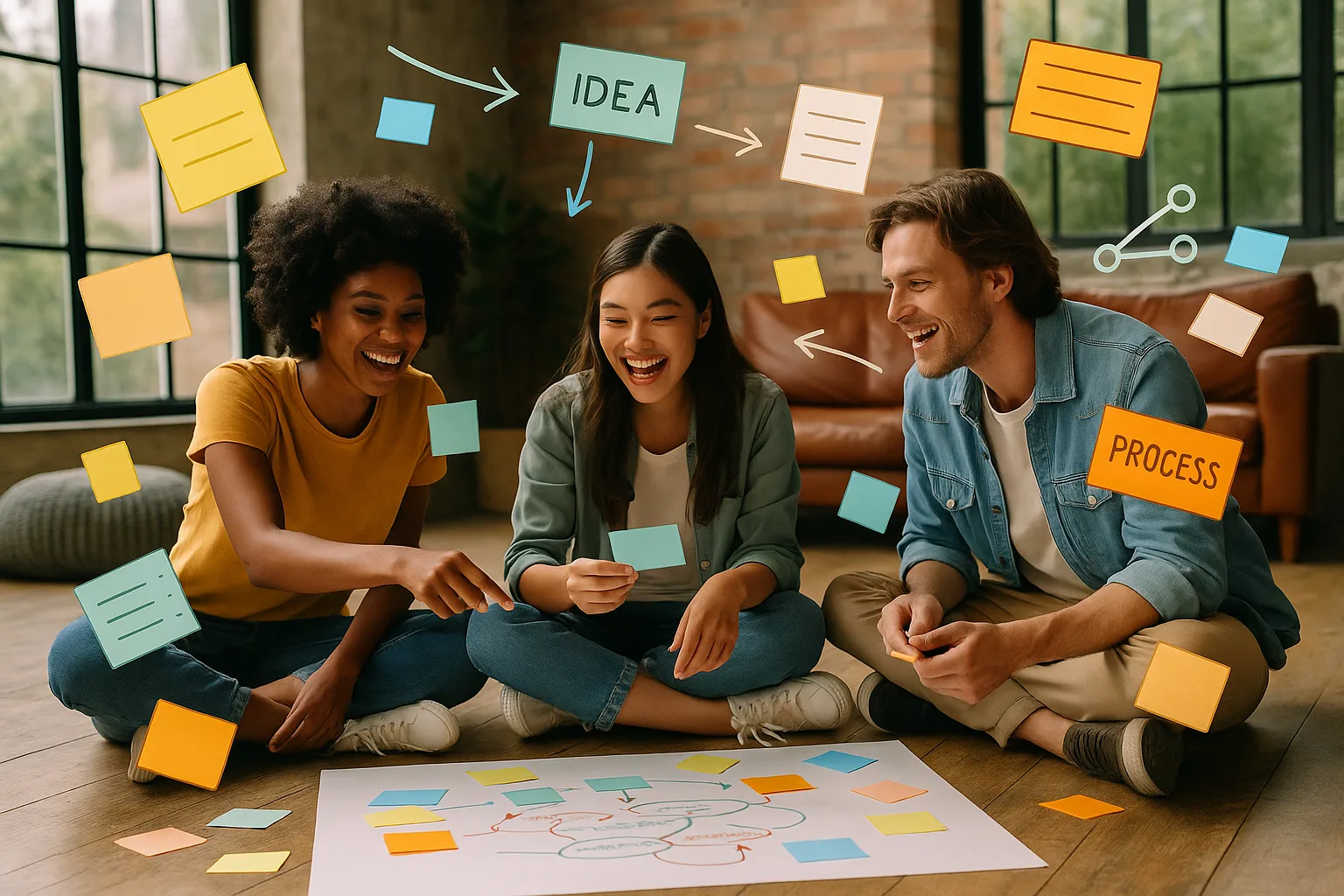
— Role-plays, negotiation simulations, peer feedback cycles, group facilitation practice.
Concrete activities for Novorossiysk
— “Port Stories” oral-history project: students interview port workers and produce multimedia stories for the local museum or embankment festival.
— Coastal Design Sprint: teams map a coastal problem (erosion, waste), prototype small interventions and test them with residents.
— Business-Ed partnership: local SMEs mentor student teams to create marketing stories for local products.
— Visual Mapping of City Services: students create public-facing infographics and maps for easier access to municipal services.
For teachers: simple classroom starters
— Begin each lesson with a 3-minute sketching prompt related to the topic.
— Use one storytelling structure per month (e.g., “Hero’s Journey” for historical figures).
— Replace one homework worksheet per week with a micro-project: a poster, short video or peer-teach session.
— Incorporate reflection: weekly learning logs with two questions—“What worked?” and “What will I try next?”
For parents and community
— Host family story nights: encourage children to present a visual story about their neighborhood.
— Volunteer as project coaches—share vocational knowledge and real-world problems.
— Support maker corners at home: simple kits for prototyping (cardboard, tape, markers, cheap electronics).
For local government and businesses
— Fund micro-grants for school-community projects: match classrooms with port, tourism or cultural partners.
— Create internship pathways for high-school students in logistics, hospitality and environmental monitoring.
— Open municipal spaces as evening “Learning Labs” with Wi‑Fi, materials and mentoring.
— Sponsor city-wide showcases where student projects are presented to citizens and employers.
Sample 6-month program (school or community center)
Month 1: Foundations
— Visual thinking basics, storytelling fundamentals, team formation.
Month 2: Discovery
— Fieldwork: interviews at port, markets, museums. Empathy maps.
Month 3: Ideation
— Design sprints, prototyping workshops, rapid feedback cycles.
Month 4: Development
— Build prototypes, visual artifacts, short films or installations.
Month 5: Testing & Refinement
— Public testing with citizens; iterate based on feedback.
Month 6: Showcase & Reflection
— Public exhibition on the embankment or at the local cultural center; reflection sessions and next-step planning.
Workshop ideas (one-day to three-day formats)
— “Sketch Your City” — Visual thinking and civic mapping (outcome: public mural or interactive map).
— “Story to Impact” — Structure stories to influence community change (outcome: short persuasive videos).
— “Soft Skills Lab” — Teamwork, conflict resolution and presentation practice with real local scenarios.
— “Conscious Learner” — Metacognition, stress-management and sustainable study routines.
Measuring success: simple metrics
— Student growth: self-assessment of confidence in storytelling, collaboration, creativity pre/post program.
— Community impact: number of community members engaged, prototypes tested in real settings.
— Portfolios: student-created artifacts (videos, posters, prototypes) archived and publicly accessible.
— Employer feedback: internships converted to hires, employer ratings of student preparedness.
Resources and tools
— Visual tools: Miro, Jamboard, simple sketchbooks, markers.
— Story frameworks: Pixar pitch, ABT (And But Therefore), personal narrative prompts.
— Conscious learning: reflective journals, growth-mindset prompts, short mindfulness exercises.
— Local partners to approach: Novorossiysk Historical-Memorial Museum, municipal cultural centers, port administration, local colleges and NGOs.
Implementation tips for Novorossiysk
— Start small: pilot one class or one school with clear deliverables and a public showcase.
— Use place-based storytelling: center local maritime history and contemporary port life to increase relevance and pride.
— Leverage weekends and cultural events (harbor festivals, museum nights) for public presentations.
— Document and share successes on social media and local press to attract funding and partners.
Conclusion
Novorossiysk has the cultural depth, civic life and economic variety to become a model for creative, future-ready education on the Black Sea. By combining visual thinking, storytelling, soft skills and conscious learning practices—grounded in local context—we can build learners who are adaptable, empathetic and ready to shape the city’s future. Start with a pilot, involve community partners, and make learning visible