Introduction
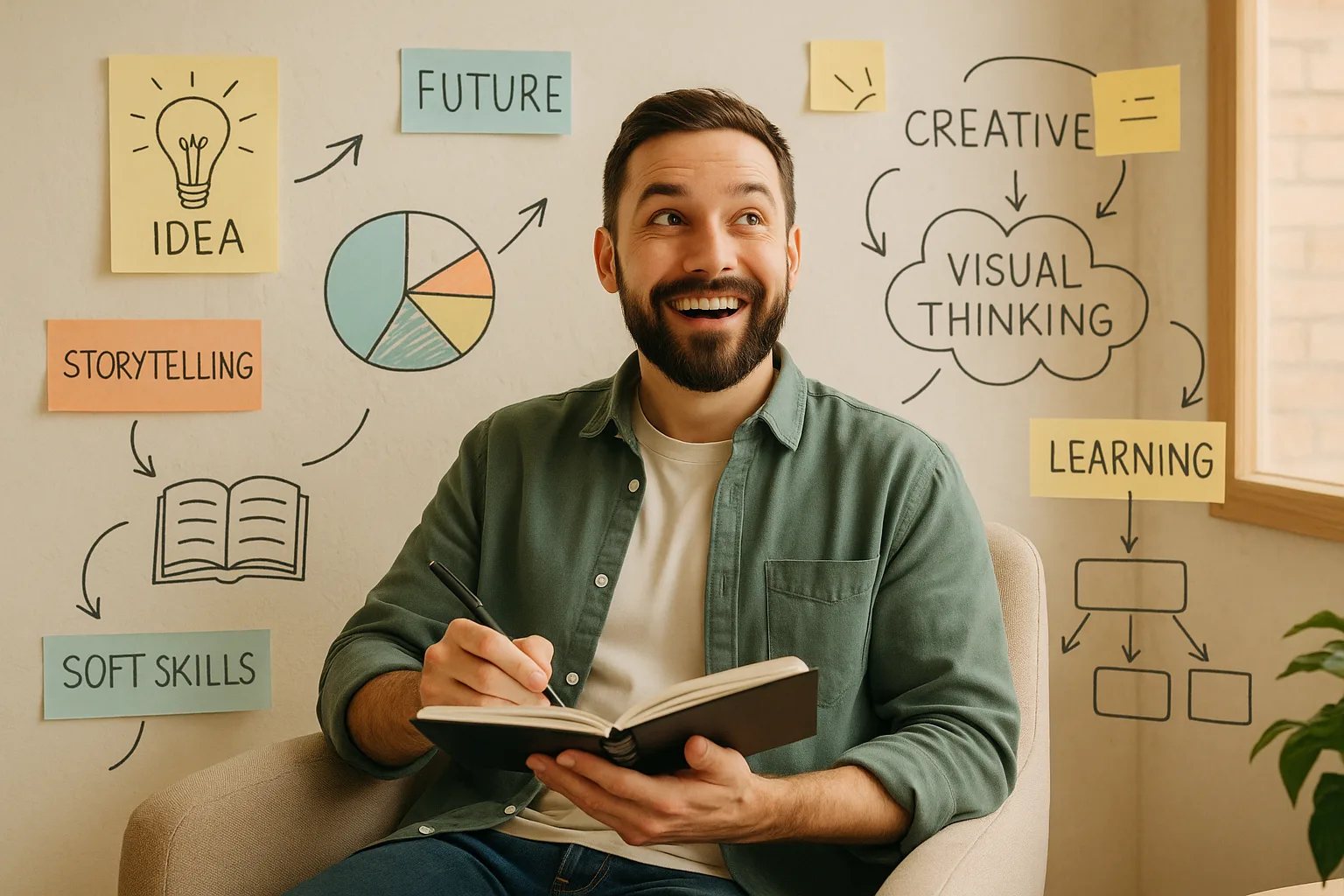
Novorossiysk stands at the crossroads of tradition and transformation: a busy Black Sea port, an industrial hub, and a coastal city with growing cultural and tourism potential. To prepare young people for the jobs and challenges ahead, education must move beyond rote facts to build *future skills*—visual thinking, storytelling, soft skills, and conscious learning. This article lays out why these skills matter locally and how schools, teachers, families, and community partners can make them real.
Why this matters for Novorossiysk
— Port economy and logistics demand creative problem-solvers who communicate across teams and cultures.
— Tourism and cultural heritage call for excellent storytellers who can craft experiences.
— Environmental pressures on the Black Sea require citizens who can collaborate, think visually about complex systems, and act responsibly.
— Building these skills boosts employability, civic engagement, and local innovation.
Core competencies to teach
— Future skills
— Adaptability, complex problem-solving, digital literacy, entrepreneurial mindset.
— Visual thinking
— Using sketches, diagrams, maps, and data visualizations to clarify problems and design solutions.
— Storytelling
— Narrative structure, audience awareness, multimedia storytelling (video, podcasts, social media).
— Soft skills
— Communication, teamwork, empathy, critical thinking, negotiation.
— Conscious learning
— Metacognition, goal-setting, reflective practice, emotional regulation, lifelong learning habits.
Practical implementation: school and curriculum ideas
— Project-based modules tied to local context:
— Example 6-week module: «Design a Sustainable Port»
— Week 1: Map the port — visual thinking exercise (sketches, flow diagrams).
— Week 2: Stakeholder interviews — storytelling + empathy mapping.
— Week 3: Ideation — design sprints and rapid prototyping.
— Week 4: Build simple models or mockups (digital or physical).
— Week 5: Test and iterate with community feedback.
— Week 6: Present a public pitch — rubric-based assessment + reflection journal.
— Integrate visual thinking across subjects:
— Science: infographic timelines of environmental changes.
— History: comic strips or digital story maps of city development.
— Math: data visualization of shipping statistics.
— Soft skills embedded in every lesson:
— Pair rotations, peer feedback protocols, structured debates, and role-play negotiation scenarios.
— Conscious learning routines:
— Weekly learning reflections, goal-setting check-ins, mindfulness breaks before complex tasks.
Teacher training and tools
— Professional development focus:
— Workshops on design thinking, facilitation of project-based learning, assessment for competence (rubrics and portfolios).
— Simple, low-cost tools:
— Visual thinking: whiteboards, paper, sticky notes, Miro or Milanote.
— Storytelling: smartphones for video/podcasting, Canva for visuals.
— Collaboration: Google Workspace, Trello, Notion.
— Assessment approach:
— Portfolios, public presentations, peer assessment, reflective journals — measure growth rather than just test scores.
Community and industry partnerships (how Novorossiysk can get involved)
— Partner with port authorities and shipping companies:
— Real-world briefs for student projects, mentorship, site visits.
— Work with local museums, cultural centers, and tourism boards:
— Storytelling projects about local history and sea culture; co-hosted exhibitions.
— Involve NGOs and environmental groups:
— Citizen science and coastal conservation projects using visual data collection.
— Create local “learning labs”:
— After-school maker spaces, weekend creative clubs, pop-up exhibitions in public spaces.
Concrete activities you can start next month
— Host a weekend “Visual Storytelling” hackathon at a community center: teams create short videos or interactive maps about a neighborhood.
— Launch a port-to-classroom program: one-day port immersion + design challenge for 9–11 graders.
— Start a teacher micro-credential: a 4-session course in project-based learning and assessment.
— Run monthly public showcases where students present projects to parents, industry reps, and local media.
Measuring success
— Short-term metrics:
— Number of projects completed, participation rates, teacher uptake of new methods.
— Medium-term outcomes:
— Improvements in collaboration rubrics, student portfolios showing growth in visual and narrative skills.
— Long-term impact:
— Greater youth employment in creative, tech, and maritime-adjacent roles; civic engagement and stronger local problem-solving.
Resources and inspiration
— Books and frameworks:
— The Back of the Napkin (visual problem solving), Storytelling with Data, Mindset (growth mindset).
— Online platforms:
— Canva, Miro, Soundtrap, Scratch, Khan Academy for blended learning.
— Local leverage:
— Use Novorossiysk’s port, coastline, and museums as living classrooms and storytelling settings.
Conclusion
Modern education in Novorossiysk should be less about memorizing and more about making: making visual sense of complexity, making compelling narratives, making careers, and making conscious learners. By focusing on future skills, visual thinking, storytelling, soft skills, and reflective practice—and by partnering with local industry and cultural institutions—Novorossiysk can nurture a generation ready to shape the city’s future with creativity and responsibility.
Get started: choose one small pilot (a weekend hackathon, a 6-week project, or a teacher workshop), recruit one community partner, and iterate from there. Small experiments scale into lasting change.