Why Novorossiysk needs a modern, creative approach to education
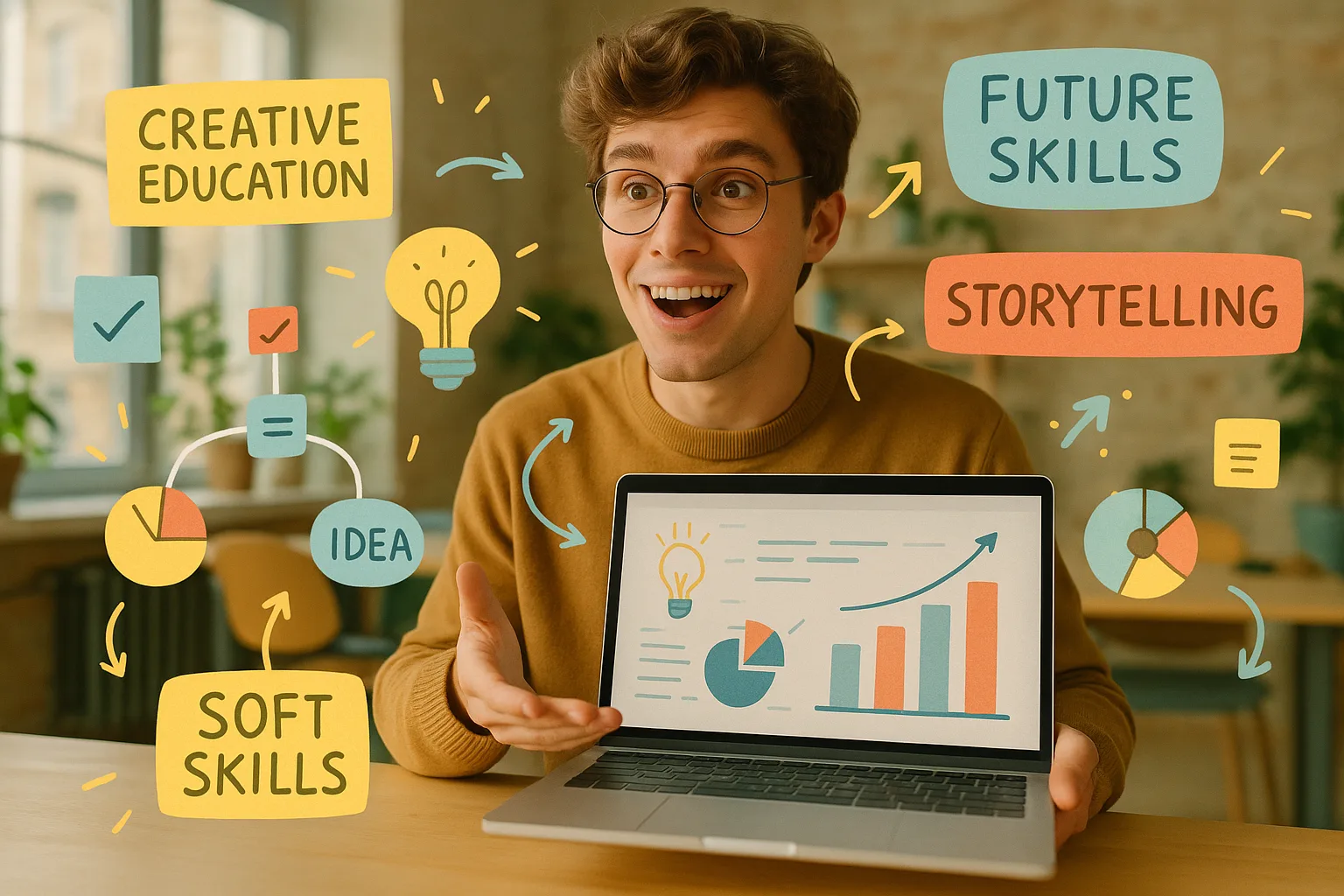
Novorossiysk is more than a Black Sea port and industrial center — it’s a living classroom. From maritime logistics and shipbuilding to coastal tourism and cultural heritage, the city provides fertile ground for teaching future skills: visual thinking, storytelling, soft skills, and conscious learning. Updating local education to emphasize creativity, reflection, and real-world problem solving will prepare young people for evolving workplaces and strengthen community resilience.
Core principles to guide change
— *Learner-centered*: Students engage in projects that matter to them and the city.
— *Interdisciplinary*: Combine STEM, arts, humanities and ecology to mirror real-world problems.
— *Skills-first*: Focus on transferable capabilities — communication, collaboration, critical thinking, creativity, adaptability, empathy.
— *Reflective practice*: Teach students how to learn (metacognition), not just what to learn.
— *Community-connected*: Partner with ports, businesses, NGOs and cultural institutions for authentic projects.
Practical methods and tools to teach future skills
— Visual thinking
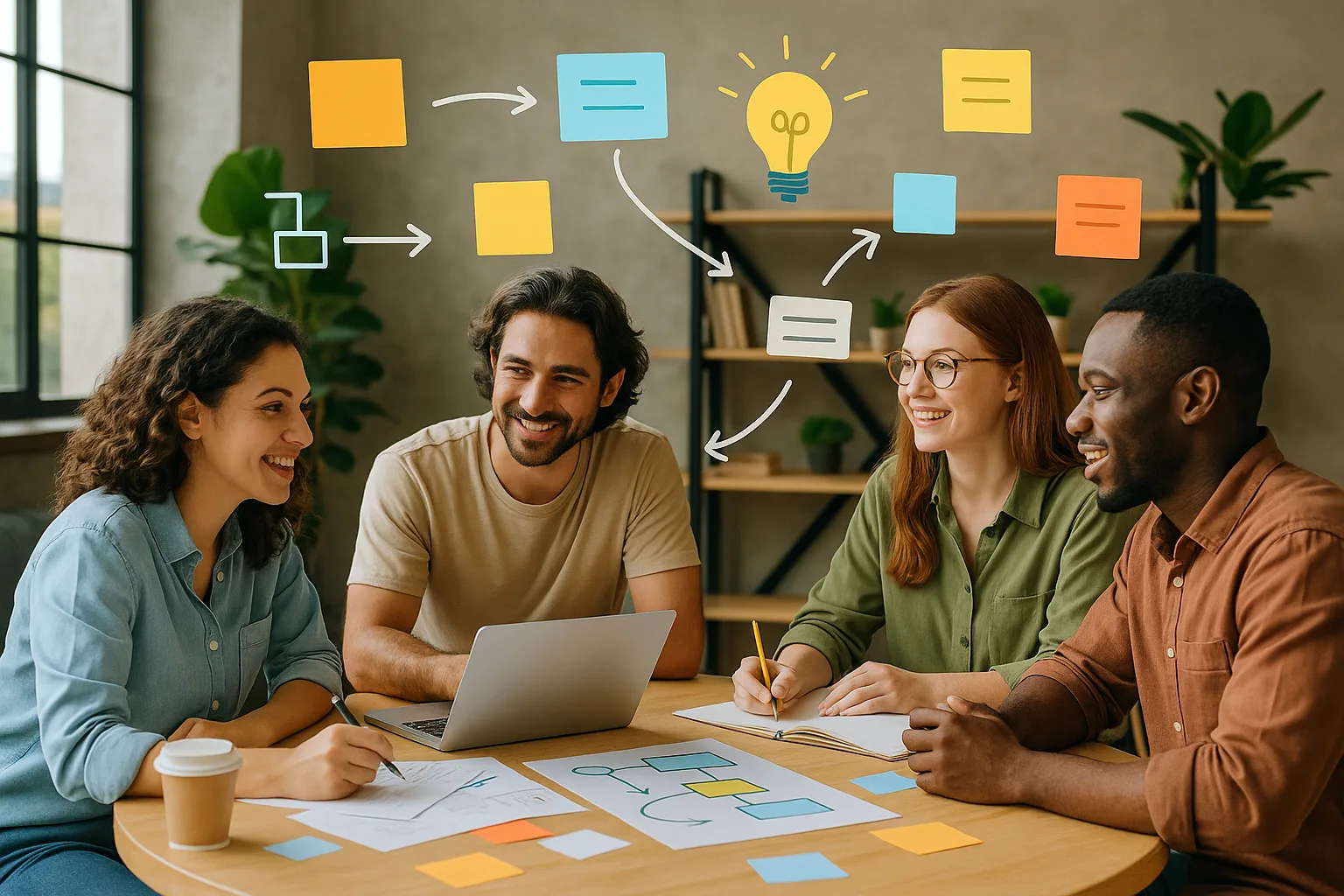
— Use mind maps, sketchnotes, empathy maps and systems diagrams to simplify complexity.
— Teach students to prototype and visualize ideas with low-fidelity drawings, storyboards and infographics.
— Tools: paper sketching, whiteboards, digital tools like Canva or simple vector editors.
— Storytelling
— Localize learning through oral histories, digital stories, and place-based narratives (fisher families, shipyard workers, port operations).
— Teach structure: problem — stakeholders — actions — outcomes. Emphasize perspective and ethical implications.
— Tools: audio recorders, smartphones for video, free editing apps.
— Soft skills
— Embed collaboration, conflict resolution, negotiation and presentation into team projects.
— Use role-play, peer feedback, and cooperative problem-based learning tied to Novorossiysk challenges (e.g., harbor cleanliness, sustainable tourism).
— Conscious learning
— Build habits of reflection: learning journals, weekly retrospectives, and goal-setting sessions.
— Teach mindfulness and stress-management techniques to improve focus and emotional regulation.
— Foster ethical reasoning and sustainability literacy related to the Black Sea ecosystem.
Project ideas anchored in Novorossiysk
— Port Futures Challenge (secondary)
— Students map port workflows, interview stakeholders (dockworkers, logisticians, environmentalists) and design an innovation that improves efficiency or sustainability. Final deliverable: prototype, infographic and 5-minute pitch.
— Black Sea Story Map (primary / secondary)
— Children collect local stories, photos and sketches to create a multimedia map of coastal traditions and ecological hotspots. Teaches geography, history and digital storytelling.
— Coastal Cleanup + Public Campaign (all ages)
— Teams plan a cleanup, measure impact, and create a visual campaign (posters, short videos) to change local behaviors.
— Makerspace: Ship & Shore (vocational / after-school)
— Hands-on workshops on basic robotics, model shipbuilding, and IoT sensors for monitoring water quality — blending craftsmanship with digital literacy.
Classroom routines and assessment
— Portfolios over tests: students curate evidence of projects, reflections and peer feedback. Portfolios can be digital and publicly showcased.
— Competency rubrics: assess collaboration, communication, creativity and problem-solving rather than only factual recall.
— Public showcases: invite local business and civic leaders to review projects — real audiences raise motivation and accountability.
Steps to implement: a pragmatic roadmap
— Quick wins (1–3 months)
— Run teacher micro-workshops on visual thinking and storytelling.
— Start one small pilot project (e.g., a month-long Port Futures mini-challenge).
— Create a shared online folder of local resources, contacts and templates.
— Mid-term (3–12 months)
— Establish a cross-school makerspace or rotating creative lab.
— Form partnerships with the port authority, local museums, and NGOs for mentorship and project briefs.
— Train teachers in formative assessment and portfolio evaluation.
— Long-term (1–3 years)
— Integrate a competency-based curriculum strand across grades.
— Launch city-wide student festivals or exhibitions celebrating civic projects and creative work.
— Seek municipal support for scaled internships and apprenticeships tied to local industries.
Partnerships and stakeholders to engage
— Municipal education department: policy support and pilot funding.
— Novorossiysk Commercial Sea Port and related businesses: project briefs, mentorship, equipment donations.
— Local museums, cultural centers and libraries: storytelling archives and venues.
— Environmental NGOs and universities: technical expertise and evaluation.
— Parents and community volunteers: storytelling contributors and event volunteers.
Examples of low-cost materials and apps
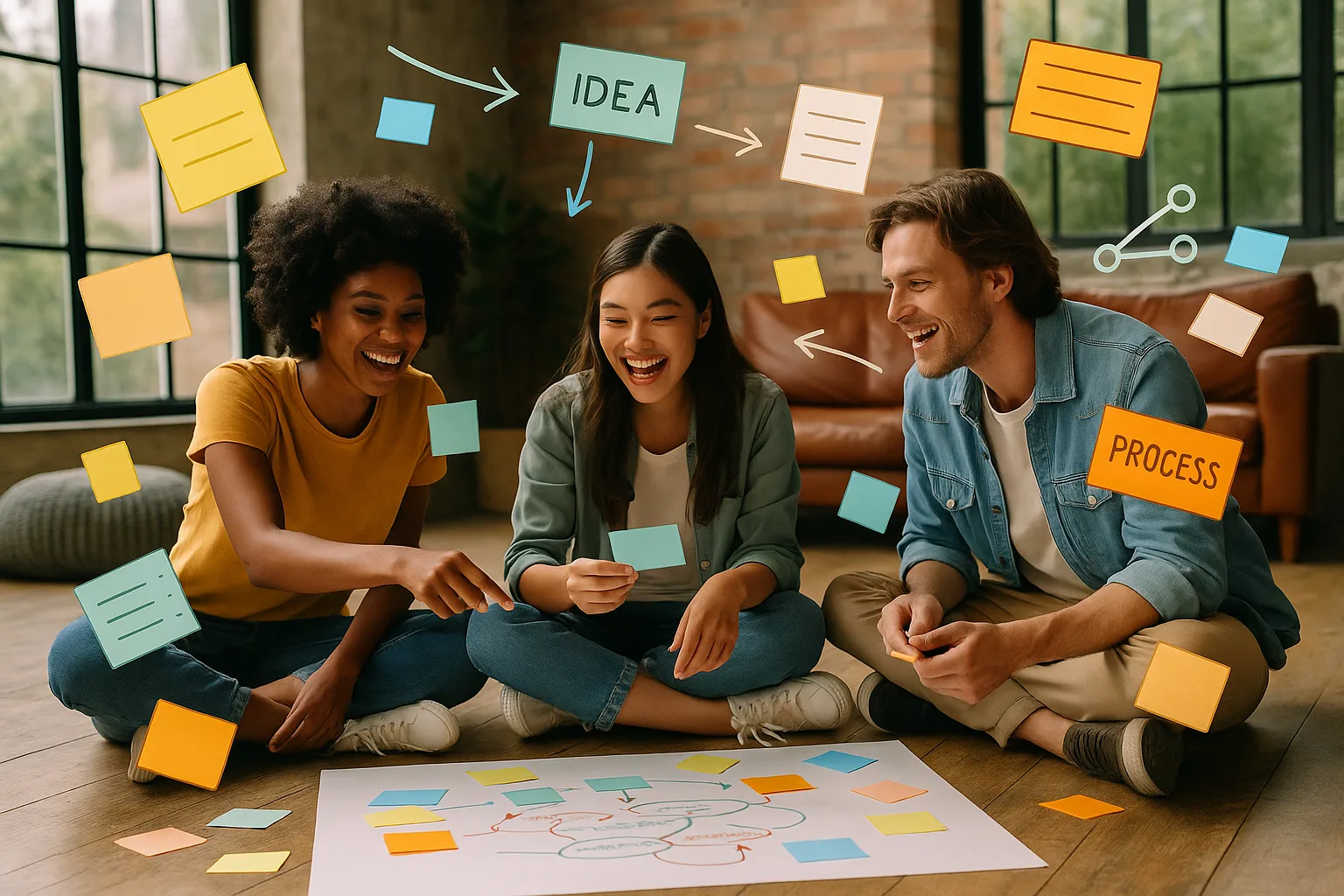
— Paper, pens, sticky notes, poster board — for rapid ideation.
— Smartphones/tablets — record interviews, film short documentaries.
— Free apps: Canva, Google Jamboard, Trello (project planning), Audacity (audio editing).
— Local: use city landmarks, port access days and community elders as content sources.
Measuring impact
— Track student portfolios, presentations, and community outcomes (e.g., number of waste bags collected, prototypes tested).
— Use pre/post self-assessment on soft skills and metacognition.
— Collect feedback from community partners and employers about graduate readiness.
Quick lesson snapshots
— 45-minute primary: «Draw Your Harbor» — students sketch the port, label roles and tell a one-minute story about a day in the life of one character.
— 90-minute secondary: «Design for Tomorrow» — teams interview one local worker, identify a problem, sketch solutions and present a 3-slide story map.
— Half-day teachers’ lab: «Visual Thinking Crash Course» — practice sketchnotes, empathy maps, and classroom routines to use next week.
Final thoughts: why this matters for Novorossiysk
Investing in creative, conscious education anchored in local contexts turns the city’s everyday assets — the port, sea, culture and industry — into powerful learning engines. Students gain transferable skills, employers access prepared talent, and the community benefits from solutions co-created by young people who care about their city. Novorossiysk can become a model for coastal cities where education, industry and civic life shape a resilient, creative future.
If you want, I can draft a 3-month pilot plan for a specific school or a one-day teacher workshop schedule tailored to Novorossiysk — tell me which you prefer.