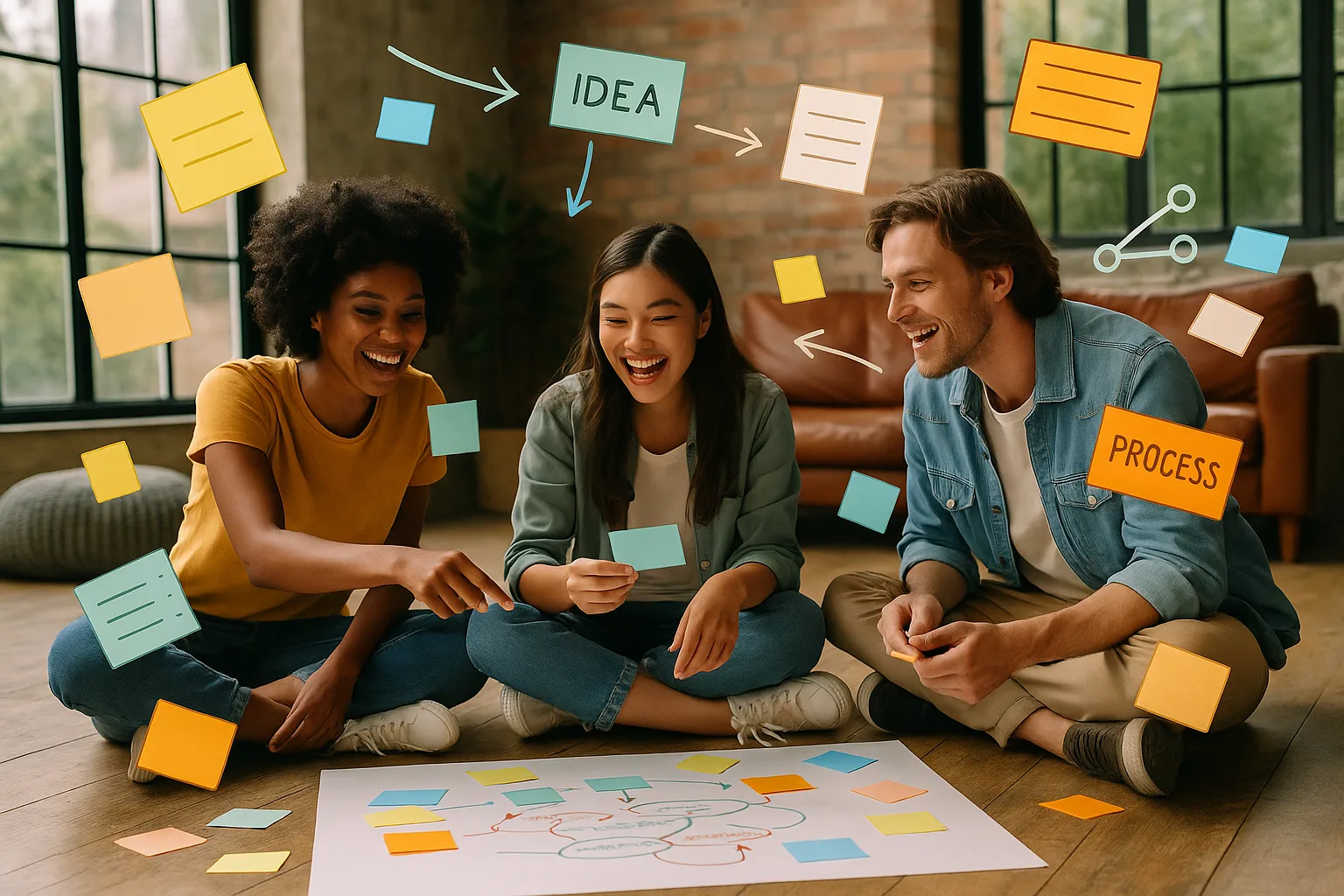
Introduction
Novorossiysk — a city of harbor, industry, and seaside culture — is perfectly positioned to become a laboratory for *modern and creative education*. By combining visual thinking, storytelling, soft skills, future-ready competencies, and conscious learning practices, schools, colleges, and community organizations can prepare young people for meaningful local careers and global challenges.
Why this matters for Novorossiysk
— The local economy (shipping, logistics, tourism, trade and service industries) demands *practical creativity, systems thinking, and interpersonal skills*.
— A port-city context offers rich, place-based learning opportunities: fieldwork at the waterfront, heritage storytelling, and industry-sponsored projects.
— Developing future skills now builds resilient graduates who can adapt as industries evolve.
Core educational pillars
1. Future Skills
— Critical thinking, creativity, digital literacy, problem-solving, adaptability, entrepreneurship.
2. Visual Thinking
— Sketch-noting, concept maps, data visualization, spatial reasoning for logistics and design.
3. Storytelling
— Oral histories, multimedia narratives, brand and tourism storytelling that connect students with local heritage.
4. Soft Skills
— Communication, teamwork, empathy, negotiation, time management, presentation skills.
5. Conscious Learning
— Metacognition, goal-setting, reflection, mindfulness, learning-to-learn strategies.
Practical program ideas for Novorossiysk
— PortLab: project-based course where students map supply chains, model logistics flows, and propose small operational improvements — using sketches, diagrams, and low-cost simulations.
— Sea Stories: intergenerational storytelling projects collecting sailors’ and dockworkers’ memories; produce podcasts, short films, or illustrated zines.
— Visual Design Sprint: weekend bootcamps teaching sketch-noting, infographics, and digital storyboards for tourism campaigns.
— Soft Skills Clinics: role-play and real-client projects with local SMEs (cafés, hotels, shipping services) focused on customer service, teamwork, and conflict resolution.
— Mindful Learners Program: weekly sessions teaching reflection, goal-setting, and portfolio-building; students maintain learning journals and growth portfolios.
— Makers & Microcredentials: hands-on makerspace modules (small engines, IoT sensors, 3D printing) aligned to microcredentials recognized by local employers.
Sample 6–12 month rollout (pilot + scale)
Phase 1 — Listen & Design (1–2 months)
— Map stakeholders: schools, vocational colleges, local companies, cultural NGOs.
— Conduct needs survey with students, parents, employers.
Phase 2 — Pilot (3–4 months)
— Run 3–5 short modules (visual thinking, storytelling, soft skills).
— Host a public mini-expo at a community venue or waterfront promenade.
Phase 3 — Reflect & Adjust (1 month)
— Collect learner portfolios, employer feedback, and community responses.
Phase 4 — Scale & Institutionalize (3–6 months)
— Integrate successful modules into regular curricula, after-school programs, and vocational tracks.
— Establish internship pathways with port/logistics/tourism partners.
Learning activities and formats
— Field trips and micro-internships at port-related sites.
— Community storytelling nights and walking tours led by students.
— Visual thinking workshops: sketch-notes for lectures, journey maps for customer experience.
— Cross-age mentorship: older students coach younger learners in soft skills and project work.
— Public showcases: exhibitions, pop-up museums, student-led tours to engage locals and tourists.
Low-cost tools and resources
— Analog: sketchbooks, index cards, storyboards, audio recorders (or smartphone apps).
— Digital: free/low-cost apps — Canva, Miro, Google Jamboard, Audacity/Anchor for podcasts.
— Learning badges: simple digital certificates or QR-linked portfolios to show competencies to employers.
— Local assets: museums, harbor tours, libraries, community centers as venues and content sources.
Partnerships that make it work
— Local businesses: logistics firms, tour operators, hotels, cafés — for briefs, mentors, internships.
— Community organizations: cultural societies, libraries, veterans’ groups — for storytelling and outreach.
— Municipal education department: to align pilots with school calendars and accreditation.
— Universities and vocational schools: guest lecturers, assessment frameworks, and microcredential validation.
Measuring success
— Qualitative: student portfolios, storytelling projects, employer testimonials, community engagement.
— Quantitative: internship placements, improvements in communication/teamwork ratings, participation rates, post-program employment or further-study metrics.
— Continuous reflection: student self-assessments, teacher debriefs, and mid-course corrections.
Benefits for stakeholders
— Students: stronger employability, creative confidence, civic pride, and practical experience.
— Teachers: refreshed pedagogy, new assessment tools, community connections.
— Employers: pipeline of adaptable, communication-ready candidates with local knowledge.
— City: stronger cultural tourism, socially engaged workforce, innovative local solutions.
Quick-start checklist for educators or organizers
— Identify one pilot class and one community partner.
— Choose two complementary modules (e.g., storytelling + visual thinking).
— Equip students with basic tools (sketchbooks, voice recorders, digital accounts).
— Schedule a public showcase to anchor the project.
— Gather feedback and prepare next steps for scaling.
Final thought
Novorossiysk’s coastal landscape, rich stories, and working port are not just background — they are a living curriculum. By cultivating visual thinking, storytelling, soft skills, future-oriented competencies, and conscious learning, the city can produce learners who are creative, adaptable, and deeply connected to their place — ready for the future, locally and beyond.
If you want, I can draft a specific pilot syllabus, a one-day workshop plan, or a sample partnership letter to a local employer. Which would be most useful?