Introduction
Novorossiysk stands at the intersection of industry, history, and the sea — a city shaped by its port, its people, and its stories. To prepare young citizens for the future, education here must move beyond rote knowledge and test scores to cultivate *creative thinking, emotional intelligence, visual literacy, and purposeful lifelong learning*. This article outlines a practical, locally grounded approach to modern education for Novorossiysk that blends future skills, visual thinking, storytelling, soft skills, and conscious learning.
Why Novorossiysk needs a new learning model
— The city’s economy (shipping, logistics, repair yards, tourism and fisheries) requires adaptable, team-oriented problem solvers, not just technical specialists.
— Rapid technological change and globalization mean careers will shift — citizens need transferable skills.
— Novorossiysk’s rich cultural and maritime heritage is an asset for place-based, narrative-driven learning that connects students to community identity.
— Visual and narrative approaches make complex systems (port logistics, environmental issues) accessible and actionable for learners of all ages.
Core competencies to develop
Focus on a balanced set of future-ready skills:
— *Cognitive & Creative*: critical thinking, systems thinking, design thinking, creative problem solving.
— *Digital & Visual*: data literacy, visual thinking (sketching, mind maps, infographics), basic digital tools and media production.
— *Social & Emotional*: communication, storytelling, teamwork, resilience, empathy and cultural awareness.
— *Self-directed & Reflective*: metacognition, goal-setting, mindfulness, growth mindset, ethical reasoning.
Teaching approaches that work locally
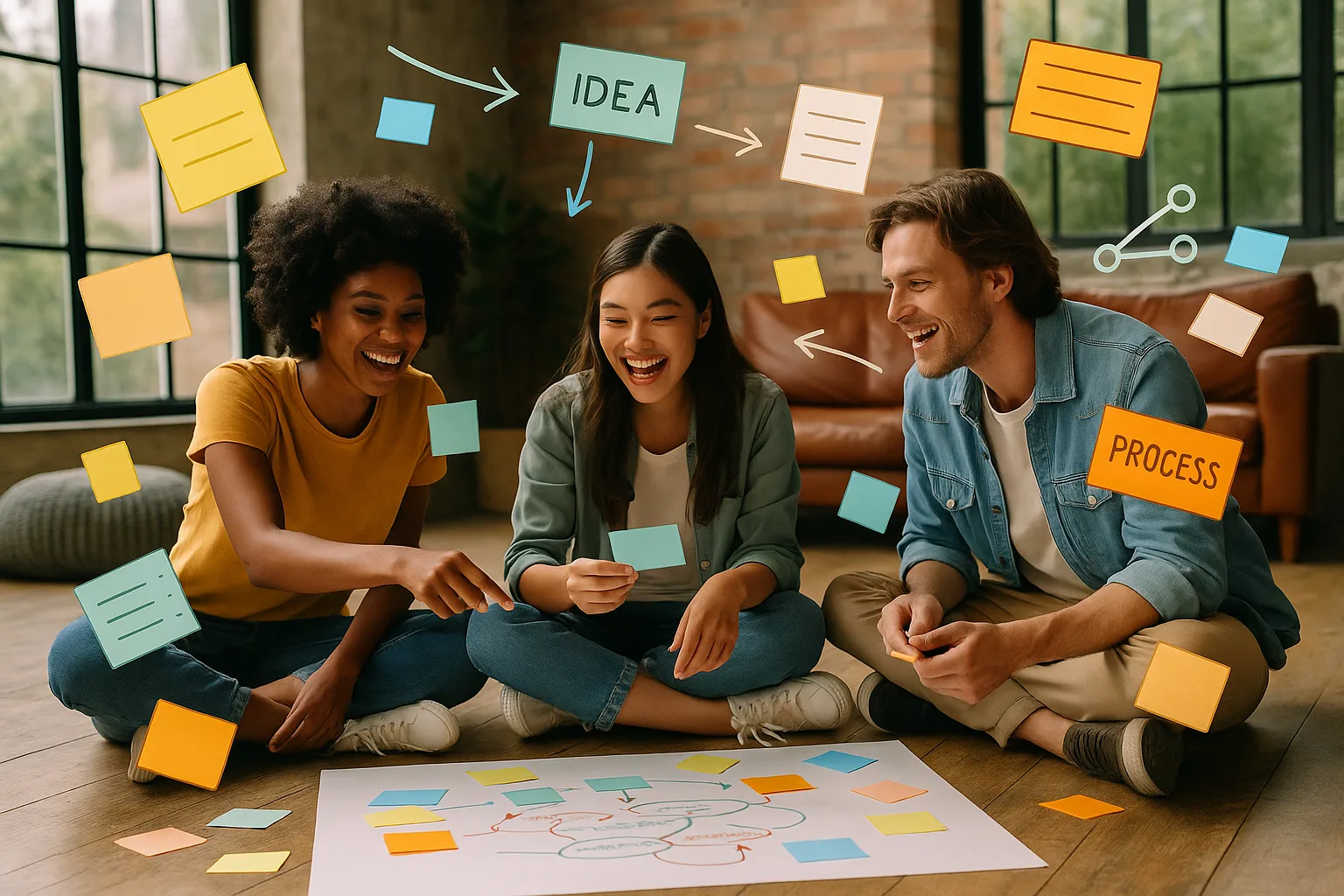
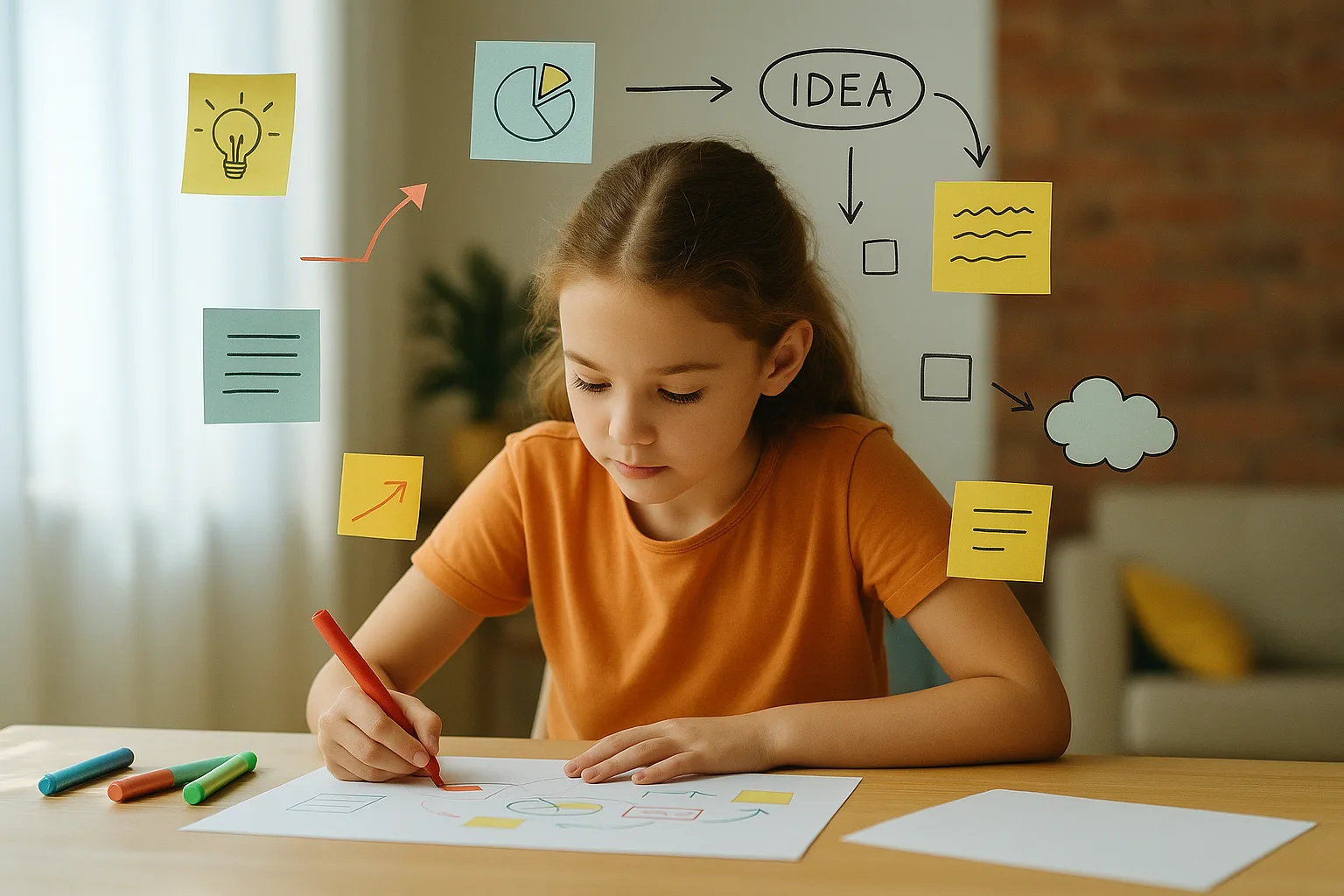
— Visual Thinking: use sketchnotes, journey maps, and process diagrams to explain port operations, environmental cycles, and historical timelines.
— Storytelling Labs: teach narrative structure, oral history collection, and multimedia storytelling to preserve local memory and build presentation skills.
— Project-based Learning (PBL): teams solve real problems — e.g., design a greener harbor terminal, create a tourism walking route, or build a small community app.
— Collaborative Employer Partnerships: short apprenticeships with port operators, marine repair shops, tourism businesses and local farms to link learning with real-world practice.
— Conscious Learning Habits: incorporate reflection journals, peer feedback sessions, and short mindfulness exercises to boost focus and self-regulation.
Practical programs and pilots for Novorossiysk
Schools, community centers, and local authorities can launch small, high-impact initiatives:
1. Visual Thinking & Storytelling Club (pilot: 6 months)
— Weekly sessions at schools and libraries.
— Activities: sketchnoting local industry tours, creating short documentary stories about workers, visual timelines of city history.
— Output: community exhibit or digital story map of Novorossiysk.
2. Port Futures Project (term-long PBL)
— Cross-age teams map port workflows, identify pain points, prototype design solutions (low-tech or digital).
— Partner: port operators, municipal planners.
— Skills: systems thinking, teamwork, communication, basic data visualization.
3. Soft Skills Bootcamp for Teens
— Short intensive (3–5 days) focusing on communication, negotiation, interview skills, and emotional intelligence.
— Format: role plays, facilitation by HR professionals from local companies, and reflective practice.
4. Teacher Labs & Continuous Professional Development
— Train teachers in visual facilitation, coaching for reflective learning, and designing storytelling-based assessments.
— Monthly peer-sharing across schools to spread best practices.
5. Community Story Maps & Heritage Trails
— Engage students to create multimedia guides (audio + visuals) for city landmarks — supports tourism and civic pride.
— Collaborate with museums and cultural groups.
How businesses and local government can support
— Offer micro-internships and short projects for student teams.
— Fund-maker spaces or equip a “learning lab” in a community center with whiteboards, sketch materials, basic recording gear, and laptops.
— Commission student projects (e.g., civic campaigns, holiday itineraries) and host public showcases.
— Provide mentorship and judging for competitions (design sprints, storytelling festivals).
Measuring impact (simple, local-friendly indicators)
— Participation: number of students, teachers, community members involved.
— Skills growth: pre/post self-assessments on communication, collaboration, and visual literacy.
— Tangible outputs: prototypes, story maps, exhibitions, internships completed.
— Community reach: public events, local media mentions, uptake by businesses.
— Long-term: tracking graduates’ employability, entrepreneurship, or civic engagement where feasible.
Roadmap: a realistic first year
— Months 1–2: Convene stakeholders (schools, port, museums, parents, city). Design 3 pilot projects.
— Months 3–6: Run teacher labs; launch Visual Thinking & Storytelling Club and Port Futures Project in 2–3 schools.
— Month 7: Midterm showcase — public event to present student work to the city and partners.
— Months 8–12: Evaluate; refine; scale promising pilots to additional schools and community venues.
Low-cost tools & resources
— Paper, markers, sticky notes and poster boards for visual work.
— Smartphones for recording oral histories and short video stories.
— Free online platforms for basic digital skills (interactive tutorials, video editing apps).
— Local venues: libraries, museum halls, community centers, unused port office spaces after hours.
Tips for teachers and facilitators
— Start small: one visual routine (daily sketchnote) or one storytelling assignment per term.
— Make learning visible: display students’ visual maps and stories in public spaces.
— Balance structure and freedom: scaffold narrative forms and give students choice in topics and media.
— Use local content: anchor activities in Novorossiysk’s port, coastline, and communities to increase relevance and motivation.
Conclusion — a city advantage
Novorossiysk’s identity — a working port with deep stories and a strong community — is an ideal laboratory for creative, future-focused learning. By combining visual thinking, storytelling, soft skills, and conscious learning habits, schools and community partners can nurture resilient, imaginative citizens ready for the next wave of opportunities. Start with small pilots, keep partnerships tight, and let local stories lead the way.
Call to action
If you are a teacher, parent, business leader, or municipal